New glaucoma guidance welcomed
Guidance offers opportunities for improvement through primary eyecare services, say secror bodies
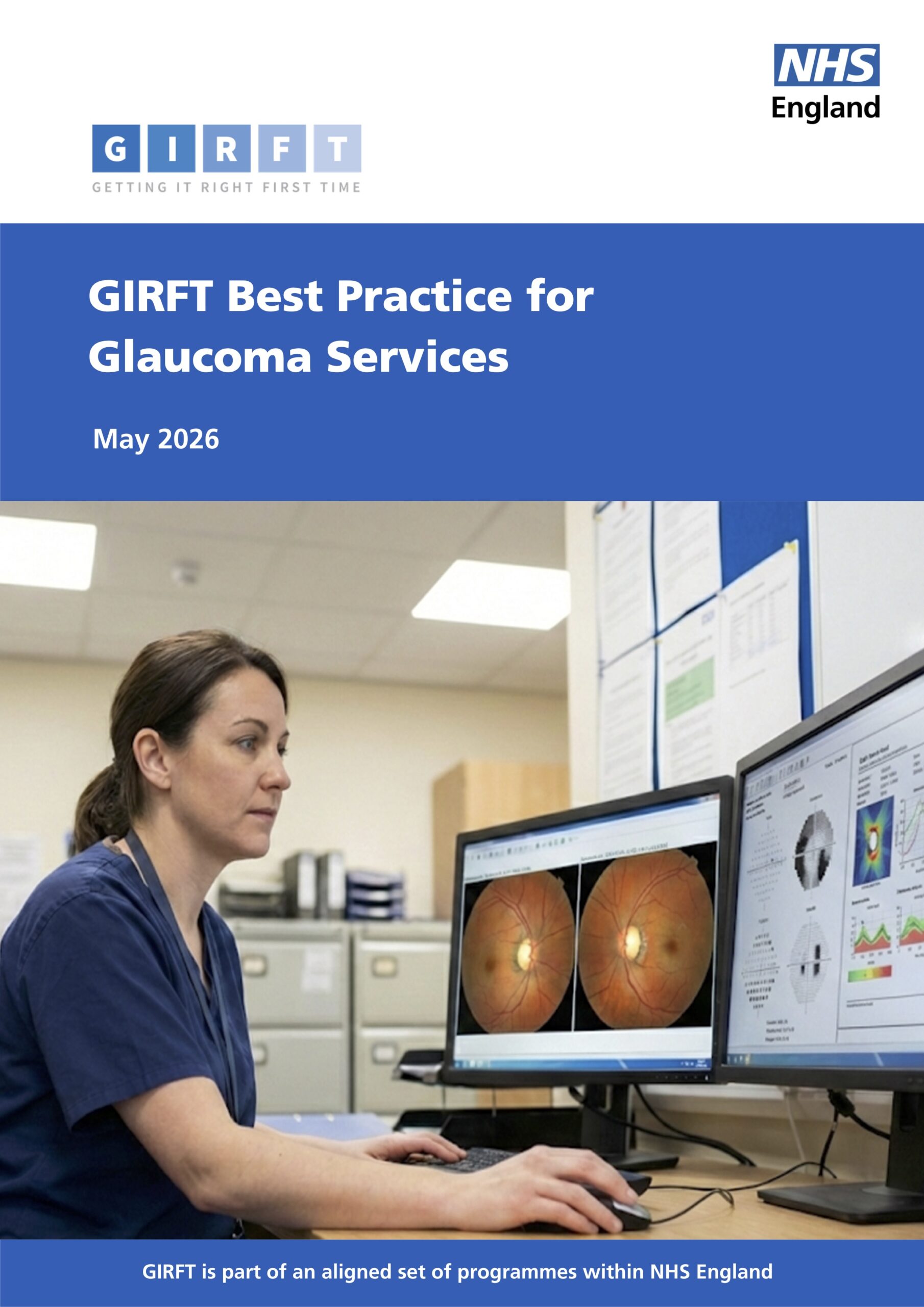
Primary eyecare organisations have welcomed the publication of NHS England’s Getting It Right First Time (GIRFT) Best Practice Guidance for Glaucoma Services.
“If implemented by integrated care boards [ICBs] as intended, the new guidance should mark an important step forward in the delivery of safe, integrated and collaborative glaucoma care across England” – said ABDO, the College of Optometrists, the Association of Optometrists (AOP), the Local Optical Committee Support Unit (LOCSU) and FODO – the Association for Eyecare Providers in a joint statement.
The organisations also acknowledged the importance of the new guidance “in setting a positive direction for shared care and fair funding of the enhanced clinical roles involved for primary eyecare providers“.
The statement continued: “Glaucoma is one of the leading causes of irreversible sight loss in the UK and affects over one million people, which is predicted to rise by over 100,000 cases to 1.06 million people by 2030*, so this guidance arrives at a critical time for NHS eyecare in England.
“Ophthalmology outpatient waiting lists are already one of the largest contributors to the NHS backlog in England, with glaucoma accounting for around 20-25 per cent of hospital eye services outpatient activity. The GIRFT report sets out a framework for early detection, risk-based follow-up and effective multidisciplinary working, with a clear emphasis on the role of primary care optometry in identifying and managing patients closer to home.
“The primary eyecare sector supported the GIRFT team in ensuring the contribution of community eyecare to safe and effective glaucoma pathways was captured and will be funded through this framework for the benefit of patients and hospital colleagues.
“The guidance supports stronger public health messaging to promote the importance of regular eye examinations in first-line detection of raised pressures and glaucoma, the need to ensure repeat measures and enhanced case-finding services are commissioned in primary eyecare across England to manage patients’ care closer to home and reduce hospital appointments, and the important role optometrists can play in follow-up care after hospital discharge.”
ABDO clinical and policy director, Max Halford, commented: “ABDO welcomes the GIRFT glaucoma guidance and its recognition that safe, effective glaucoma care depends on integrated, multidisciplinary working across the eyecare pathway. Dispensing opticians have an important role within primary eyecare teams, supporting patients with glaucoma through accessible advice, effective communication, appropriate signposting and support with treatment, vision needs and adherence.”
Zoe Richmond, spokesperson for LOCSU, said: “This guidance gives the primary care sector a clear and credible framework to build on. Local optical committees [LOCs] and their support networks stand ready to work with commissioners and NHS England to ensure that the pathway improvements it recommends can be funded and embedded in communities across England. Optometrists and their practice teams are already delivering accessible glaucoma care, this guidance recognises that and gives us the tools to go further.”
Dr Paramdeep Bilkhu, College of Optometrists clinical advisor, remarked: “The College of Optometrists has long advocated for the greater integration of primary and secondary care in managing glaucoma. This GIRFT guidance reflects the clinical evidence and supports the kind of multidisciplinary, community-based care that can genuinely reduce the burden of preventable sight loss. We are committed to supporting optometrists to implement these recommendations safely and effectively.”
Dr Peter Hampson, AOP clinical director, commented: “Optometrists in primary care are uniquely placed to support early detection and ongoing monitoring of glaucoma patients. The AOP welcomes this guidance as recognition of that role and of the importance of ensuring that primary care is appropriately resourced and supported to deliver it. We look forward to working with ICBs and our partners to make the vision set out in this document a reality for patients.”
Kirsten Ross, clinical optometry officer at FODO, added: “FODO members are the leading providers of primary eyecare, meeting the needs of millions of patients each year. This new guidance should help more patients access care closer to home, and most importantly prevent avoidable sight loss due to delays in the hospital eyecare service. We will work with our members and sector partners to translate this GIRFT guidance into meaningful new services and patient benefits.”
A webinar briefing for practical support, titled ‘Glaucoma care reimagined: empowering primary care optometry’, will take place on Tuesday 30 June at 7:30pm. This will support the primary eyecare sector in interpreting and implementing the new guidance, a dedicated webinar will be held in the coming months. The event will be hosted by the College of Optometrists and provide practical guidance on what the new local commissioning and pathway developments recommendations mean for optometrists, practice owners and LOCs.
Read the GIRFT guidance in full.
*Predicted cases of primary angle-closure glaucoma and primary open-angle glaucoma 2026-2030 UK Eye Care Data Hub: forecasting eyecare workforce and disease prevalence –College of Optometrists