RAC shines light on headlight glare
Intense headlights make drivers feel less safe
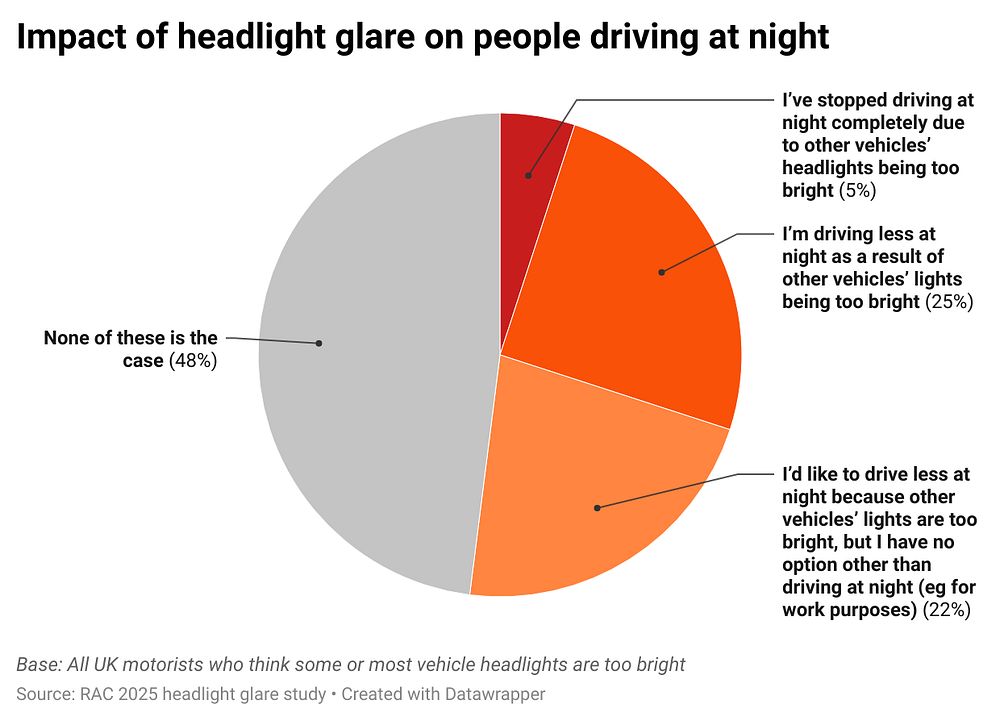
A quarter of drivers who find vehicle headlights too bright are driving less at night as a result, reveals a major new study on headlight glare from the RAC.
The RAC’s headlight glare study is based on research among 1,866 UK drivers. It showed that 75 per cent of those who drive less, do so because intense headlights make the experience “uncomfortable or more difficult”. A further 49 per cent said it was because they felt less safe, while five per cent of respondents said they had stopped driving at night altogether.
Almost all drivers agreed that vehicle headlights could be too bright; 36 per cent believed most were, with a further 59 per cent saying some of them were.
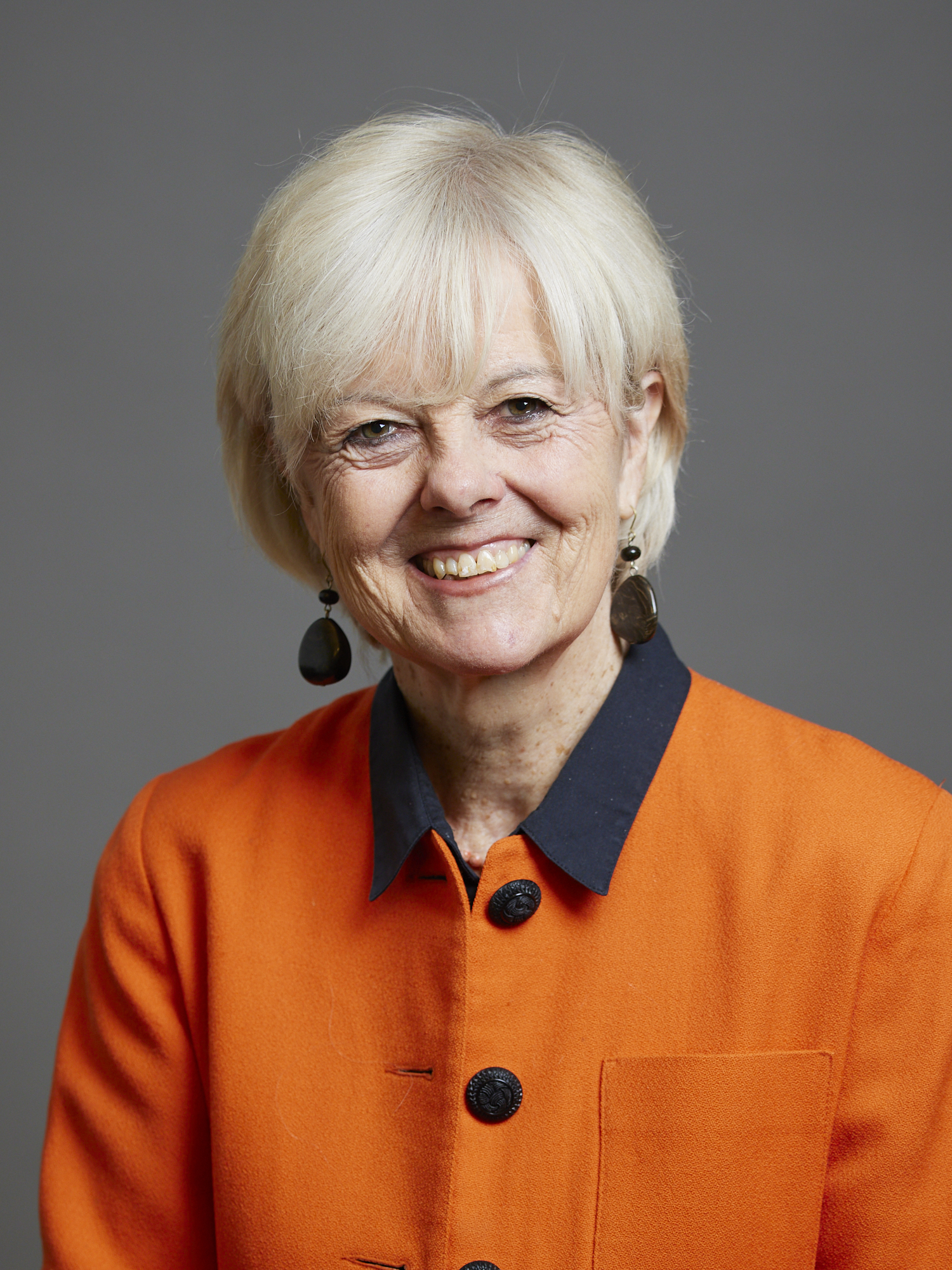
Baroness Hayter of Kentish Town
Drivers aged under 35 were more likely to say most headlights were too bright (41 per cent), as were those who drove conventional hatchbacks, estates and saloons. Thirty-eight per cent of this group said most were too bright, with 29 per cent of respondents who drove vehicles that sat higher on the road (like SUVs) said most were.
Sixty-one per cent of respondents who suffered from headlight glare said the problem “had worsened in just 12 months”, with 26 per cent disagreeing.
Among respondents who were still driving at night, 17 per cent say bright headlights left them “feeling tired and fatigued” while driving, while 16 per cent said they had suffered with headaches, migraines and/or eye pain. Fifty-nine per cent said dazzle made “driving more difficult and uncomfortable”, a figure that rose to 65 per cent for 65 to 74-year-olds and 67 per cent for those aged 75 and over.
Following campaigning led by the RAC, Baroness Hayter, the College of Optometrists and others, the government commissioned a project looking at the conditions most likely to lead to headlight glare, and to see what can be done to address them. The project is due to report by the summer.
Of the 97 per cent of drivers who told the RAC they were affected by glare in some form, 79 per cent say they found it hard to tell when some vehicles were indicating; 77 per cent say it was difficult to judge the position of oncoming vehicles on the road when their headlights were so bright. Similar proportions struggled to judge the speed of these vehicles (74 per cent) and how far away they are (67 per cent).
Drivers of vehicles like conventional hatchbacks and estates are more likely (56%) to say the problem lies with higher vehicles like SUVs, than drivers of higher vehicles themselves (28%). However, drivers of higher vehicles are more likely (65%) to say they don’t think any particular type of vehicle is responsible, compared to 39% of those that drive ‘normal’ ride height vehicles.
Looking at the colour of headlights, 72% of glare sufferers associate the problem with whiter-coloured headlights (most likely to be LEDs or bi-xenon headlights), compared to just 3% who think the problem is caused by yellower-coloured ones (most likely to be halogen headlights). One-in-10 (11%) say it’s both headlight colours that cause the problem while 15% aren’t sure.
Denise Voon, clinical adviser at the College of Optometrists, said: “Optometrists are hearing from our patients more and more frequently that they’re having issues with night driving because of headlight glare from oncoming vehicles. Motorists must always wear their prescribed glasses or contact lens for driving, including at night, and we urge anyone experiencing issues with their vision while driving to contact their local optometrist for advice.
“However, more motorists are experiencing issues with their vision while driving at night earlier than we’d expect them to be impacted by age-related eye conditions, such as cataracts. We look forward to the findings from the government’s headlight glare research project and hope this evidence enables the industry to find a solution that will reduce headlight glare and make driving at night safer for everyone.”
 RAC senior policy officer, Rod Dennis, said: “With the exception of potholes, few motoring topics seem to rouse as much interest among the nation’s drivers right now as bright headlights. It’s undisputable that public concern is increasing, but the reasons for glare and what can be done to reduce it aren’t nearly as clear. That’s why we’re pleased the government heeded the calls of the RAC and our partner organisations on this issue and commissioned an independent project to look into it. We’re aware other European countries are now taking the matter seriously, too.
“What has gone from a mere frustration is now having a profound impact on people – whether that’s momentarily being blinded while driving or struggling to judge the speed or position of a vehicle ahead. The fact such a high proportion of people are also driving less at night – or wish they could – is remarkable and demonstrates the need for glare to be tackled. This does, however, need to be balanced with the potential road safety benefits afforded to people driving vehicles with brighter headlights.
“Our research does suggest that the difference in height of vehicles affects how drivers perceive glare, as does the colour of headlights on oncoming traffic. It also appears to be more of a problem on unlit roads, where drivers’ vision is subjected to greater levels of contrast.
“We hope our findings prove to be valuable to both industry and government in understanding the effects dazzling headlights are having on drivers. At the same time, we’re pleased to be able to dispel some myths around the topic, such as the one that headlight glare is something that affects only older drivers. Interestingly, drivers under the age of 35 are more likely to say most vehicle headlights are too bright.”
Baroness Dianne Hayter commented: “As this detailed study shows, virtually every driver experiences the problem of over-bright headlights, and many find the dazzle sufficiently problematic to stop or reduce their driving at night, with real social and other costs. The RAC has produced the evidence, now the Government needs to take action – whether on the colour, intensity or angle of these glaring lights.”
Official government statistics show that since 2013, there has been an average of 280 collisions a year where dazzling headlights were a contributory factor. Of these, six a year involved someone losing their life. However, this only includes those collisions where a police officer attending can be sure that headlight dazzle was a factor.