ABDO in the regions: Wales
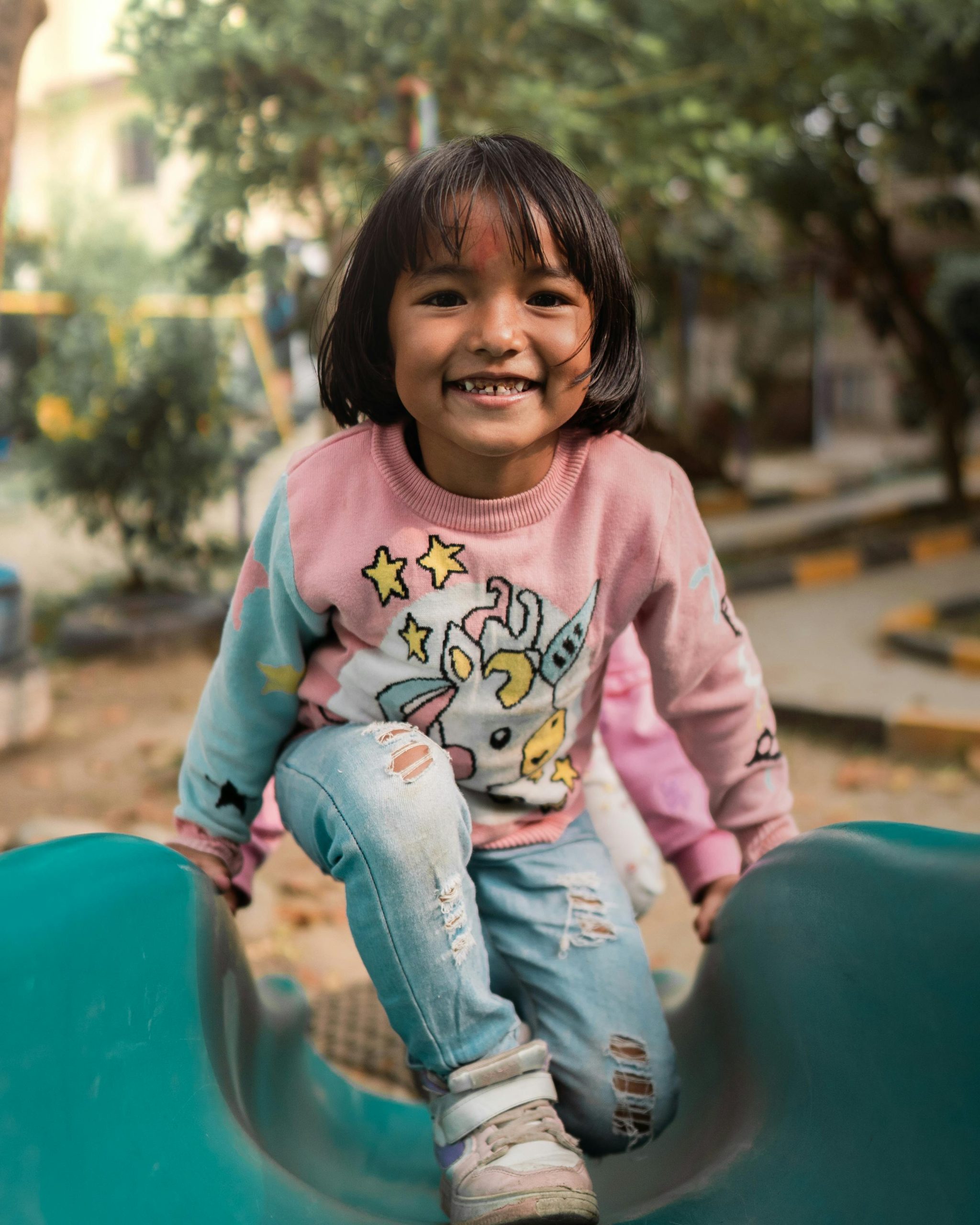
Spending time outdoors doesn’t need to be complicated
In line with other health services in Wales, a WGOS 1 eye examination includes a more holistic approach in the form of ‘directed questions’, which the optometrist must ask their patient. These are around smoking and diabetes risk for adults, and for children under 16, outside time and physical exercise1.
It is increasingly recognised that physical activity, and time spent outside are crucial, not only for physical well-being2, but also mental health3, for both adults and children, and it is now widely acknowledged that outside time can reduce the risk of child onset myopia4. It could be argued perhaps that children’s health is not our concern, but their eye health certainly is, so in addition to discussing spectacle and contact lens options, should we not be discussing outdoor time with all our young patients, and with myopic patients who have young children?
You might be thinking it’s simpler – and more profitable – to prescribe myopia management spectacles or contact lenses and call it a day. And, certainly, that’s one valid option. But the reality is, these lenses are currently more expensive than standard ones, and not every family will be in a position to afford them. By offering thoughtful advice and sharing useful, evidencebased resources, you not only add meaningful value to the visit – you also empower parents to take clinicallyproven steps at no cost. That builds trust and increases their confidence in your future recommendations.
Leading by example
So, where do we start? Perhaps with ourselves. You may not consider yourself an ‘outdoorsy’ type, but it’s not necessary to channel your inner Bear Grylls to enjoy time outside, and it’s easier to encourage others when you have experienced something for yourself.
It’s estimated that nearly three quarters of the UK population live less than 15 minutes from a green space5 – so even if you don’t have a garden, you should be able to find something locally. A quick internet search will give you a list of green spaces in your area. What better way to relax following a day of challenging patients in the practice, than listening to the variety of birdsong in your local park, which has been shown to reduce blood pressure and heart rate6.
So now you’re feeling nice and relaxed, let’s look at some ways of encouraging children to spend more time outside. Time outdoors doesn’t need to be complicated, require lots of preparation, or the planning of a major expedition; playing in the garden is a good place to start – though of course not all families have a garden.
Getting out and about and going further afield is easier when the weather is fine, and the days are long, but with the right clothing and equipment, a walk in the rain or dark (or both) can be just as much fun. Ideas for outdoor activities can be found online including activity sheets that can be printed and given to children along with their obligatory sticker following their eye exam.
Getting younger children outside can be relatively easy, but if children are reluctant to reduce screen time, there are a number of phone apps you could recommend, such as Pokémon Go and various geocaching apps, to help ease them away from the latest computer game.
So why not take a more holistic view of children’s eyecare, and give out some resources, or information on how to find them, during discussions about myopia management solutions. A resource to get you started can be found in the ABDO Clinical Hub website under ‘Focus on myopia management’.
Abi CrutcherV is ABDO’s regional lead in Wales. Email acrutcher@abdo.org.uk
References
1. NHS Wales. Performer resources. Available at: https://tinyurl.com/52nxs6x6
2. World Health Organisation. Fact sheets. Physical activity. Available at: www.nhs.wales/sa/eye-care-wales/wgos/eye-health-professional/performer-resources
3. Coventry PA et al. Nature-based outdoor activities for mental and physical health: systematic review and meta-analysis. SMM – Population Health 2021;16:100934. Available at: https://doi.org/10.1016/j.ssmph.2021.100934
4. Xiong S et al. Time spent in outdoor activities in relation to myopia prevention and control: a meta-analysis and systematic review. Acta. Ophthalmol. 2017;95(6):551-566. Available at: https://doi.org/10.1111/aos.13403
5. Kingham, D. Green space inequality. 2020. Intergenerational Foundation. Available at: www.if.org.uk/2020/05/20/green-space-inequality
6. Gould van Praag C. et al. Mind-wandering and alterations to default mode network connectivity when listening to naturalistic versus artificial sounds. Scientific Reports 2017;7:45273. Available at: https://doi.org/10.1038/srep45273