OCT ‘postcode lottery’ warning
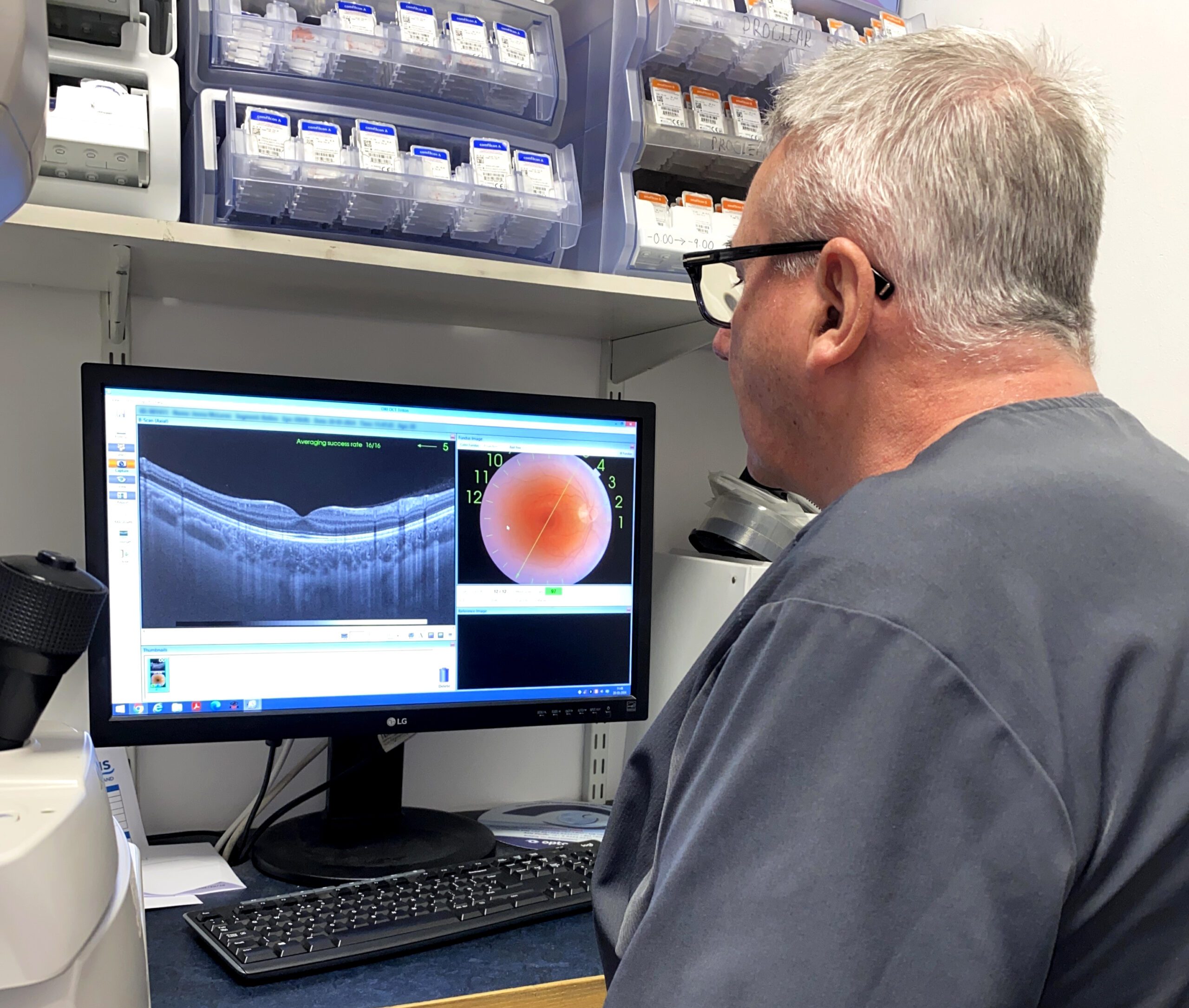
Optometry Scotland is calling on the government to take urgent action
Optometry Scotland (OS) has published a new report calling for the full integration of optical coherence tomography (OCT) in primary eyecare across Scotland.
Informed by an OS Short Life Working Group (SLWG) on OCT, the report outlines the transformative role OCT plays in the early detection of eye conditions such as glaucoma, diabetic retinopathy and macular degeneration.
A survey conducted as part of the SLWG investigation found that 80 per cent of optometry practices were already using OCT, but that there were regional and demographic inequalities to access.
The report calls for “urgent government actions to address inequalities in access and reduce pressure on secondary care services”.
Currently, OCT is not funded through General Ophthalmic Services (GOS), resulting in what OS refers to as “a postcode lottery where patients in affluent areas are more likely to benefit from early diagnosis and treatment” – a disparity that “risks exacerbating health inequalities and overwhelming hospital-based ophthalmology clinics”.
The report recommends introducing an enhanced GOS fee for OCT scans in acute eye presentations, alongside a national capital funding programme to support practice investment in OCT equipment. The SLWG also advocates for long-term support for ongoing maintenance and secure data storage.
OS’ survey of practices informed the report’s findings, revealing strong support among optometrists for incorporating OCT into NHS-funded services.
The report also highlights the wider benefits of OCT integration, including reduced hospital admissions, improved referral accuracy and enhanced training and development for practitioners – and concludes that “expanding community-based OCT use is key to delivering timely, preventative eyecare”.
Julie Mosgrove, chair of the SLWG, said: “OCT is already changing lives, but only for those who can afford it. This report shines a light on the growing gap in access to essential diagnostic services and makes clear recommendations to address it. If we are serious about tackling health inequalities and building a sustainable healthcare system, we must make sure there is equitable access to this technology across all communities in Scotland.
“The evidence is clear: investing in OCT at a national level will enhance patient outcomes, support clinical decision-making and ease the burden on our overstretched hospital services. This is a crucial investment in both technology and the future of eyecare.”
The report has been submitted to the Scottish government for consideration.
Read ‘The use of optical coherence tomography (OCT) in primary care optometry’ report.