In the spotlight at Stormont

Brian McKeown (left) with Professor Mark Taylor, regional clinical director for elective care
Community optometry’s role in cutting waiting lists and easing pressure on hospitals was the focus of a reception held at Stormont today (23 September), organised by Optometry Northern Ireland (ONI).
As part of National Eye Health Week 2025 (23-29 September), the event brought together legislative assembly members (MLAs), clinicians, policymakers and patient voices to highlight how services delivered in local optometry practices coud “transform access to care and support the future of Northern Ireland’s eyecare system”.
During the event, ONI, the representative body for optometrists and dispensing opticians, showcased how community-based eyecare services could help address “the growing eyecare crisis in Northern Ireland”.
According to ONI, more than 51,000 patients are currently on ophthalmology out-patient waiting lists and face waits of anywhere between one and six years, depending on which Trust they live in.
“Primary care optometrists are highly skilled, local, and ready to help with 95 per cent of the population living less than five miles from a practice,” commented Brian McKeown, the chair of ONI. “There is a government drive to reset and move more care into the community. Our network of 263 practices and over 700 optometrists are already seeing patients quickly, managing urgent cases in the community, and taking pressure off hospitals. With the right support, we can deliver a sustainable, efficient, world-class eyecare service for everyone in Northern Ireland.
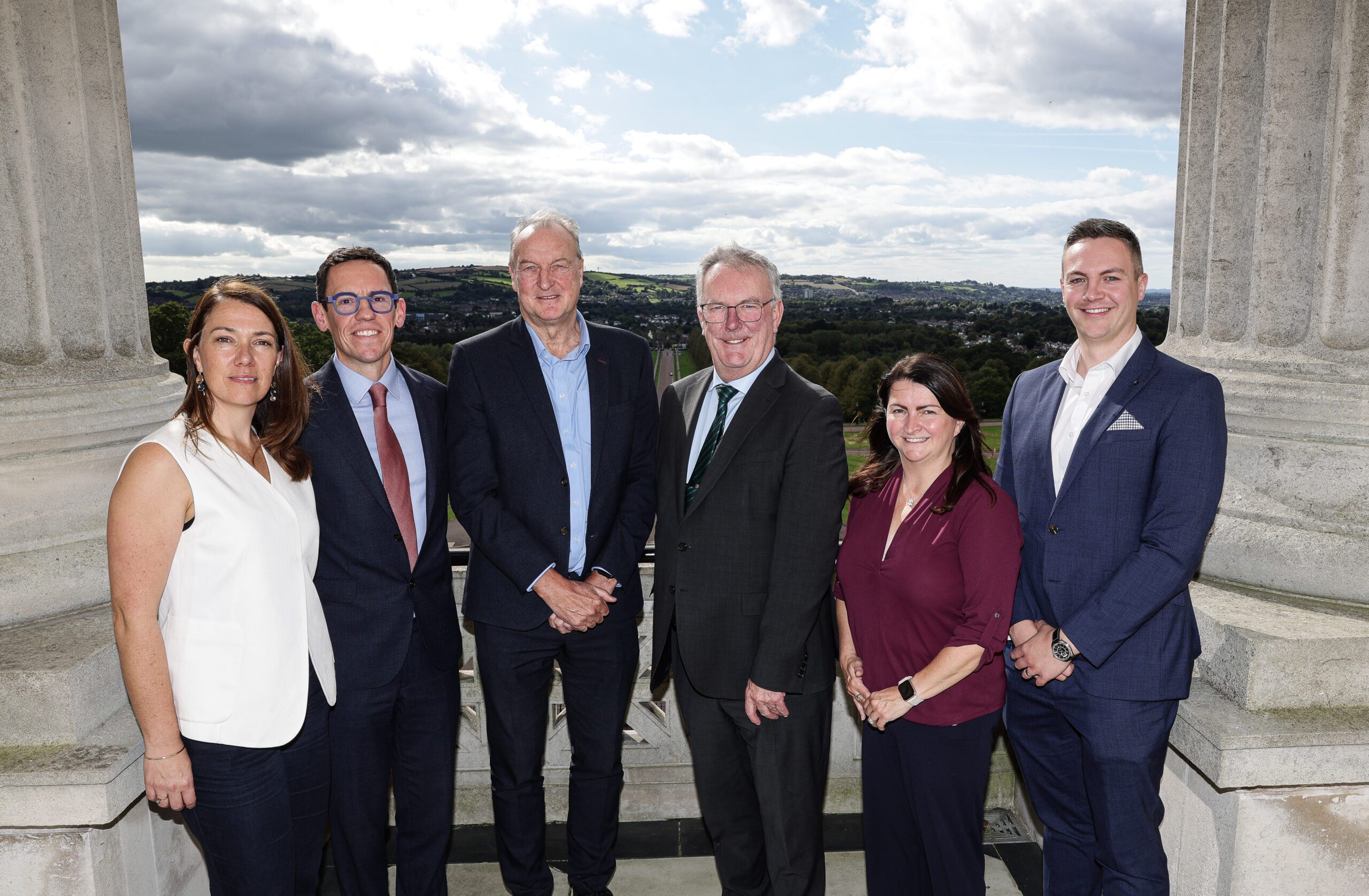
From left: Professor Julie-Anne Little (Ulster University), Brian McKeown, Mike Farrar, Mike Nesbitt, Jill Campbell (ONI) and Steven Harding
“As the body representing the profession in Northern Ireland, we believe the time is right to call for fair funding, expansion of services that work well and investment in training the new eyecare clinicians of tomorrow,” he added.
The event at Stormont was addressed by Mike Farrar, permanent secretary at the Department of Health, who said: “The Department of Health is committed to making it easier for patients to access the care they need. Community optometry shows how services delivered closer to home can detect problems early, reduce waiting lists, and ease pressure on hospitals, all while improving outcomes for patients.”
Also attending the event was Steven Harding, ABDO’s regional lead in Northern Ireland who sits on the ONI Board. He told DO Online: “It was great to get the opportunity to highlight the impact that optometrists and dispensing opticians make in the community in Northern Ireland. There is a government drive to move more care into the community, so being able to showcase evidence-based community care was very satisfying. It’s a long journey ahead, but we certainly made some great strides today.”
The event at Stormont also highlighted the success of the PEARS Plus pilot, through which 89 per cent of acute eye conditions were managed by independent prescribing optometrists working in the community, rather than patients having to go to hospital.
The ONI is calling for this service to be rolled out across Northern Ireland.