How to be a great DO: Part 1
Take the time to reflect, explore and review (image: Mido)
In the first of her new series for DO Online – ‘How to be a great DO’ – Rebecca Thompson shares some tips for making the most of optical trade shows…
With limited time away from practice, trade shows can feel both valuable and overwhelming. A little pre-preparation and clarity, however, can help ensure your visit supports clinical goals, professional development and long-term plans.
For dispensing opticians (DOs) and contact lens opticians (CLOs), the value of trade shows cannot be over-stated. They bring together education, innovation, suppliers and peers – all in one place. They also offer a rare opportunity to step back from day-to-day practice and see the profession as a whole. With so much on offer, it’s natural to feel unsure where to focus your time and attention, so a considered approach crafted in advance can turn a busy day into a genuinely useful one.
Having a simple framework
You don’t necessarily need a rigid schedule or a long list of ‘must-sees’ (unless you want one), but it does help to think in terms of a simple process; one that moves from reflection, to exploration, to review.
Clarify your focus
Before attending, take some time to consider what the practice (or you) needs over the next 12 to 24 months. This might relate to clinical services, patient experience, product offer or operational efficiency. Identifying one or two priority areas gives your visit direction and helps you filter what is most relevant on the day.
Some questions to ask might include:
- What are patients asking for more of – either explicitly or indirectly?
- Are there services or products we are curious about, but haven’t yet explored?
- Is there an area we know we want to develop in the next year or two, even if the budget isn’t yet fixed?
- What decisions are coming up that would benefit from better understanding or comparison?
It’s not necessarily about finding immediate answers – but about giving your visit a sense of direction and relevance.
Understanding your mode
It can be helpful to attend a trade show with an awareness of how you intend to use it.
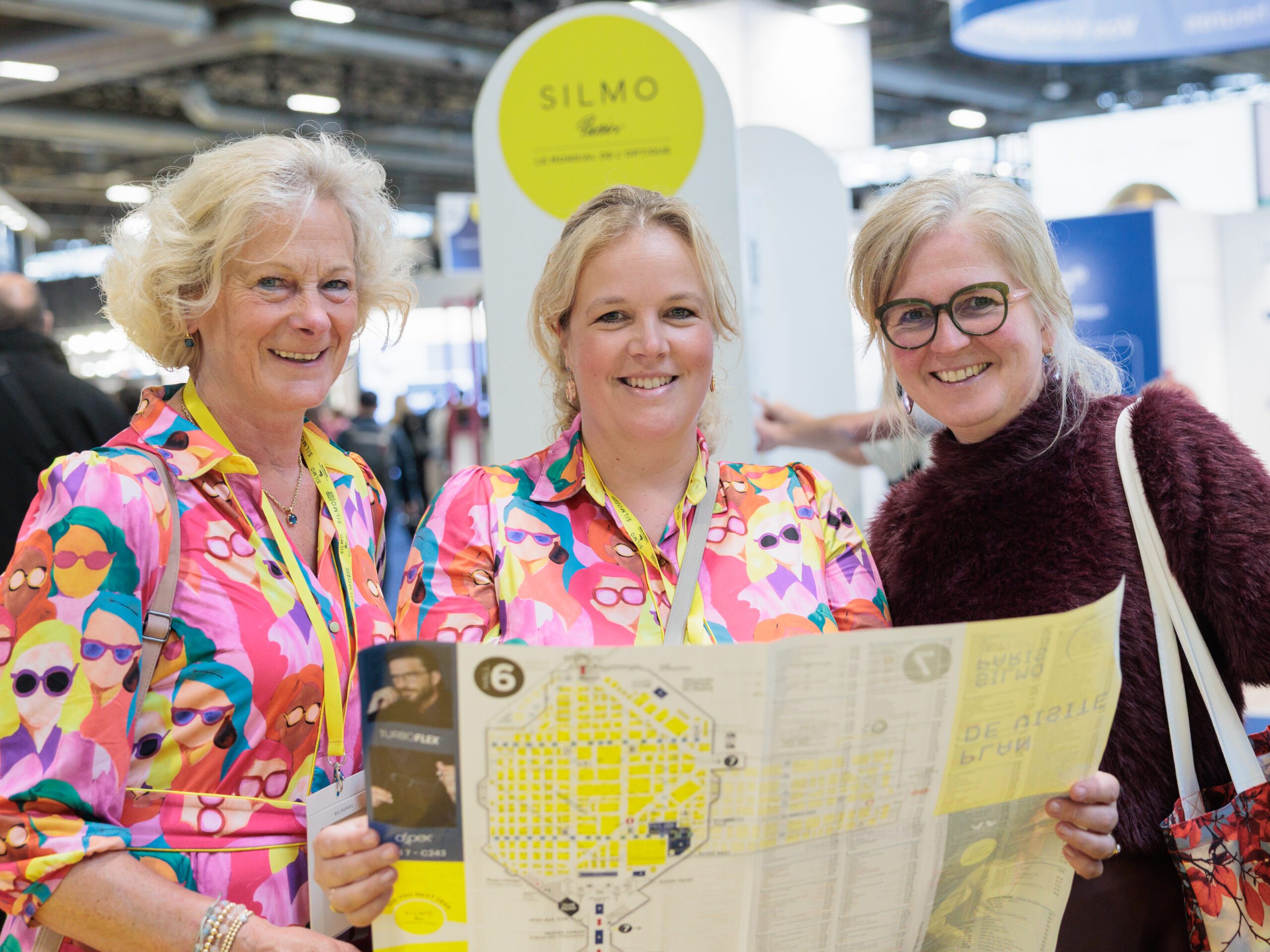
Review in advance any show maps, apps and digital tools (image: Silmo Paris)
In explore mode, the aim is to learn, observe and gather insight. This might involve:
- Attending education sessions
- Seeing what is emerging across the profession
- Having broader conversations with suppliers and peers
- Gaining a clearer picture of what may be relevant in the future
This approach suits practices at an early stage of considering change, or when timescales and budgets are still open.
Buy mode is more focused and often linked to a defined need or upcoming decision. In this case, the visit may be about:
- Comparing shortlisted suppliers or solutions
- Understanding practical considerations such as installation, training and support
- Confirming costs, timelines and next steps
Many visitors move between both modes during a show, but being aware of the difference can help manage time and expectations.
Prepare in advance
Most trade shows now offer digital tools such as exhibitor lists, floor plans or event apps. Spending a short amount of time reviewing these in advance can help:
- Identify suppliers or talks aligned with your focus
- Reduce time spent navigating on the day
- Highlight areas you may want to return to if time allows
This light-touch preparation can make the day feel more manageable without over-planning.
Pre-booking appointments can also be useful – particularly if you are in buy mode, you wish to speak with a specific supplier or educator, and your time at the show is limited. For others, leaving space for informal conversations and discovery may feel more appropriate.
There is no single right approach, the aim is to create a structure that supports your objectives while allowing flexibility.
On the day
Having a flexible mindset can often be as valuable as any plan. It’s worth remembering that energy and concentration levels will rise and dip throughout the day, and of course feet do get tired. A good approach when planning a show visit is to factor in time to pause, refresh, reflect and make notes between conversations.
If you can, make a ‘must’, ‘should’ and ‘could’ list that you can refer to if you feel time is running short.
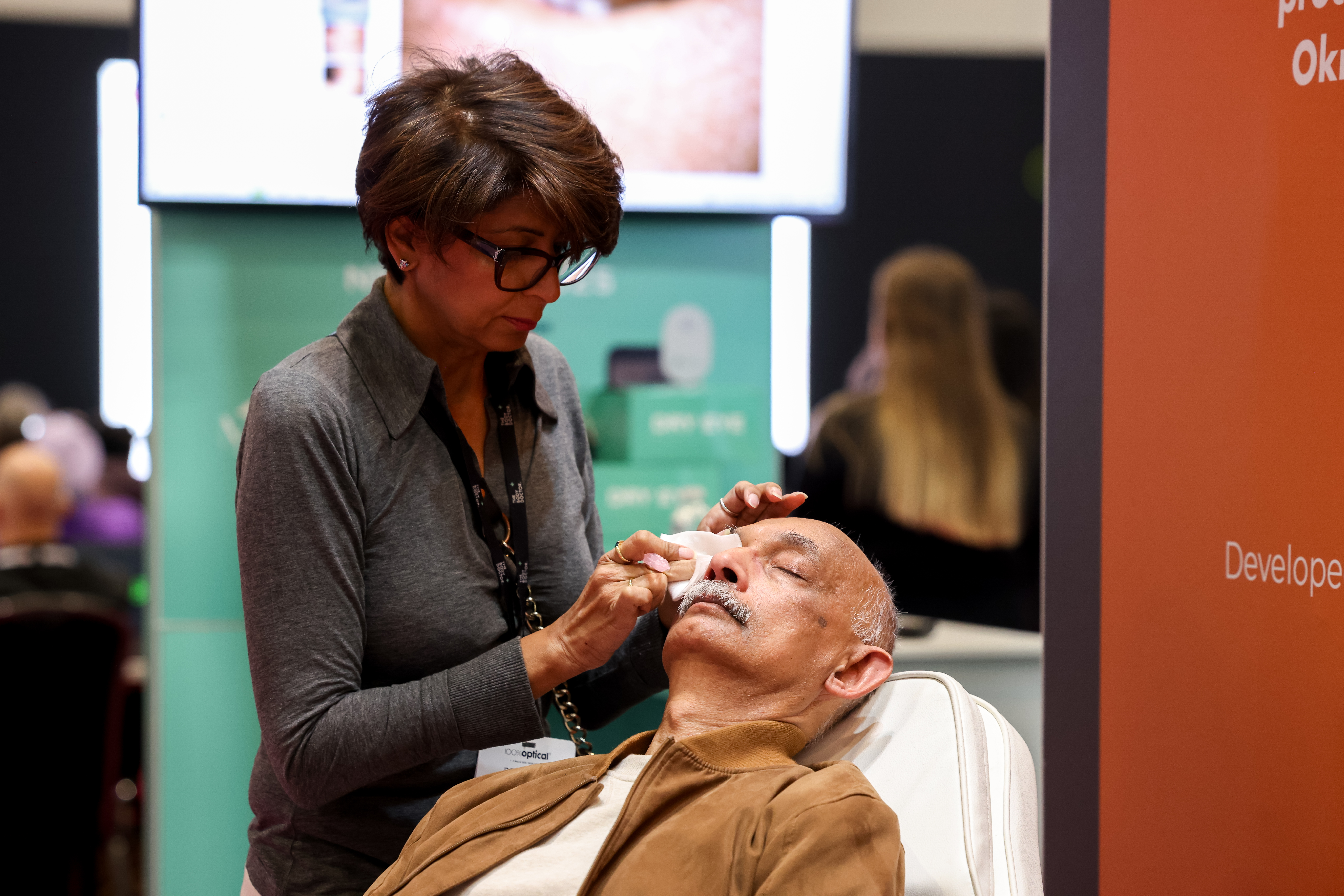
Explore the landscape in new areas of practice that interest you (image: 100% Optical)
Review
At the end of the show and once back in practice, set aside time to review the visit and turn insights into action. Review your notes and the information gathered against the goals you had set for the show, whilst the experience is still fresh.
Remember to:
- Share key observations with colleagues
- Decide on follow-up conversations or next steps
Example 1: Considering a dry eye service
If a practice is thinking about developing a dry eye service in the next year or two, a trade show can provide valuable early insight. With this focus, the visit becomes less about finding a single solution and more about understanding the landscape.
Education sessions can help build clinical confidence, while conversations with equipment suppliers offer a clearer picture of what different technologies enable in practice. Discussions may also cover training, ongoing support and how services are introduced in stages rather than all at once.
Speaking with peers who have already implemented dry eye clinics can be particularly helpful, offering perspective on patient uptake, workflow changes and lessons learned along the way. The aim is not to leave with a purchase decision, but with a clearer sense of what feels appropriate for the practice, the likely investment involved, and the questions that still need answering.
Example 2: Reviewing or refreshing the frame collection
A trade show can also be a useful moment to step back and review the frame offer.
Approaching the visit with this in mind might involve exploring new collections that align with the practice’s identity, considering how ranges complement existing brands, and discussing availability, continuity and support with suppliers. It can also be an opportunity to observe broader design directions and materials without feeling pressured to commit.
This reflective approach helps ensure frame choices remain purposeful and aligned with both patients and the practice.
Next month, Rebecca will look at what to consider before making the leap to practice ownership.
Rebecca Thompson FBDO is a dispensing optician, eyewear strategist, founder of Eyestyle Studio and writer of Eye Style, a weekly journal exploring the business, design and the future of optics.
Header and cover images: 100% Optical/ABDO