ABDO welcomes Road Safety Strategy
Five consultations will run until 31 March
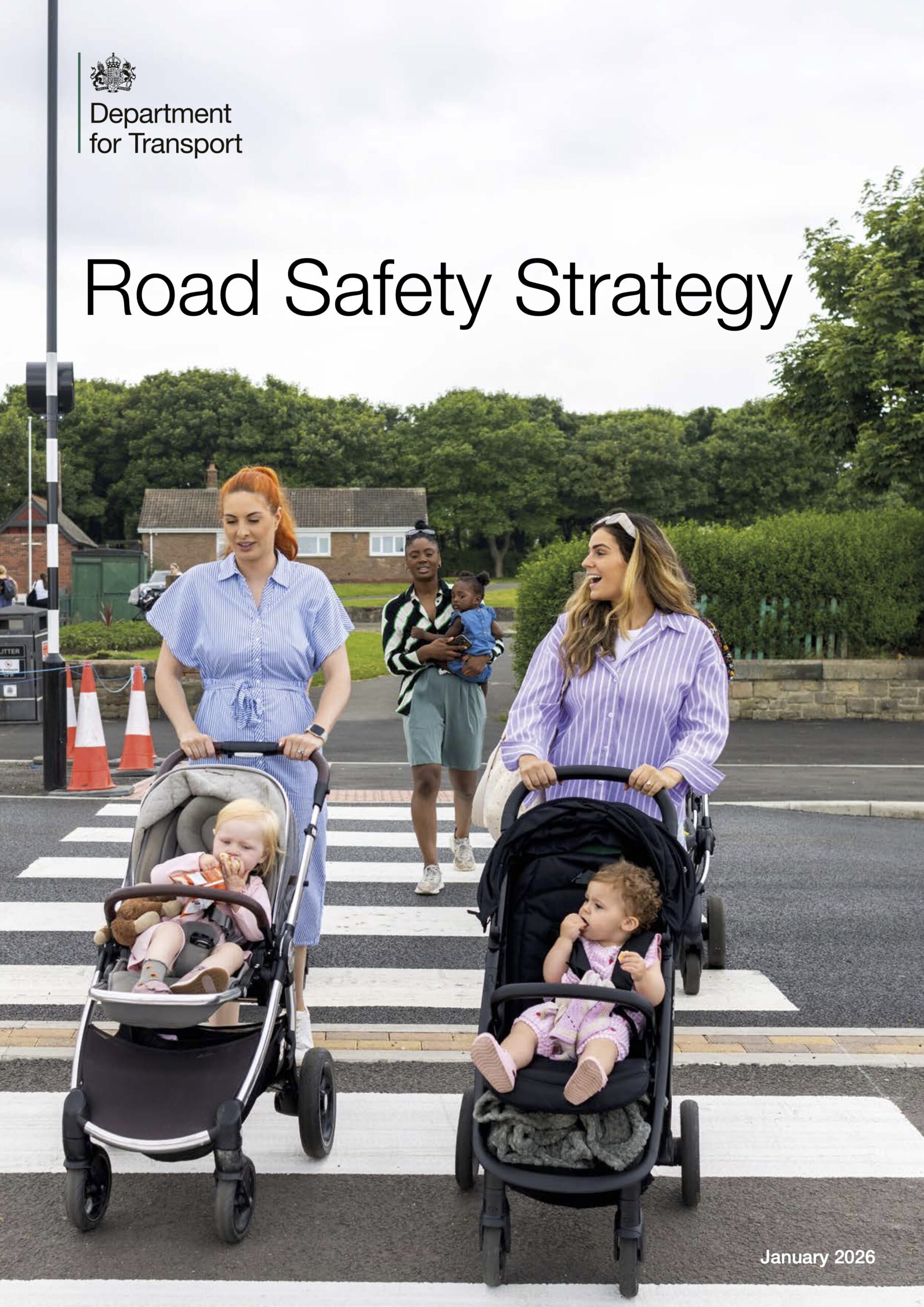
ABDO has welcomed the government’s plan to consult on mandatory sight testing for drivers over 70 as part of its new Road Safety Strategy launched on 7 January – but says questions remain about how this will work in practice.
With a target to reduce road deaths and serious injuries by 65 per cent by 2035, and by 70 per cent for children aged under 16, it is the first road safety strategy to be launched by any government in more than a decade.
Part of the strategy is a consultation on introducing compulsory vision checks for drivers aged 70 and over – “ensuring that those drivers who fail to meet the minimum eyesight standards required for driving will have their driving licence revoked by the DVLA”.
Alongside this will be consultations on a new minimum learning period for learner drivers, and lowering the alcohol limit for driving – which has remained unchanged since 1967. Options for cognitive testing will also be developed.
The sector has long been calling for improvements to driving vision standards and, in September 2025, UK representative and professional bodies issued a renewed call for changes in the law – including mandatory evidence that a driver meets the legal vision standard at provisional licence application and subsequent renewals.
Responding to the publication of the Road Safety Strategy, Max Halford, ABDO clinical and policy director, said: “ABDO welcomes the government’s renewed focus on road safety and continues to support proportionate, evidence-based measures that genuinely improve public protection.
“From ABDO’s perspective, it is important to recognise that mandatory eyesight testing alone – as outlined in the government’s press release – does not guarantee that drivers are consistently seeing well on the road.
“As many ABDO members will be aware, patients may attend for a sight test – but fail to wear their prescribed vision correction. Any future system must address real-world use of vision correction, not simply assess visual performance on the day.
“We hope that the proposals also create an opportunity to review whether the current driving vision standard remains fit for purpose, given that much of the framework dates back many decades.
“At present, key questions remain unanswered around funding, delivery, reporting and clinical governance. These issues will be critical to ensuring any scheme is safe, workable and sustainable for patients and primary eyecare services.
“ABDO will continue to engage constructively with sector partners as the consultation develops and will be actively seeking member input to inform our response. We also recognise that some older drivers may feel concerned about what these proposals could mean in practice.
“Dispensing opticians are the experts in driving vision and are ideally placed to support drivers with trusted advice and practical visual solutions, helping people optimise their vision, drive safely and maintain confidence and independence for as long as possible,” Max concluded.
The strategy has also been jointly welcomed by the College of Optometrists and the Association of Optometrists – including the commitment to undertake further research to identify what vehicle design factors may be responsible for increased headlight glare.
In its response to the strategy, the Is Your Vision Roadworthy? road safety initiative, run by the Older Drivers Forum, the University of Warwick and the charity Eye Health UK, welcomed the government’s commitment to working closely with the National Police Chiefs’ Council to promote regular roadside sight tests, and strengthening the process for informing the DVLA of a licence holder’s fitness to drive.
Five open consultations – including on introducing mandatory sight testing for over 70s – will run until 31 March.
ABDO members are asked to submit their comments, feedback and reflections on any challenges on any new guidance by emailing policy@abdo.org.uk – using the subject line ‘Driving consultation’.
Read the government’s press release and download the Road Safety Strategy.