ABDO in the regions: Scotland
Peer observation benefits both parties
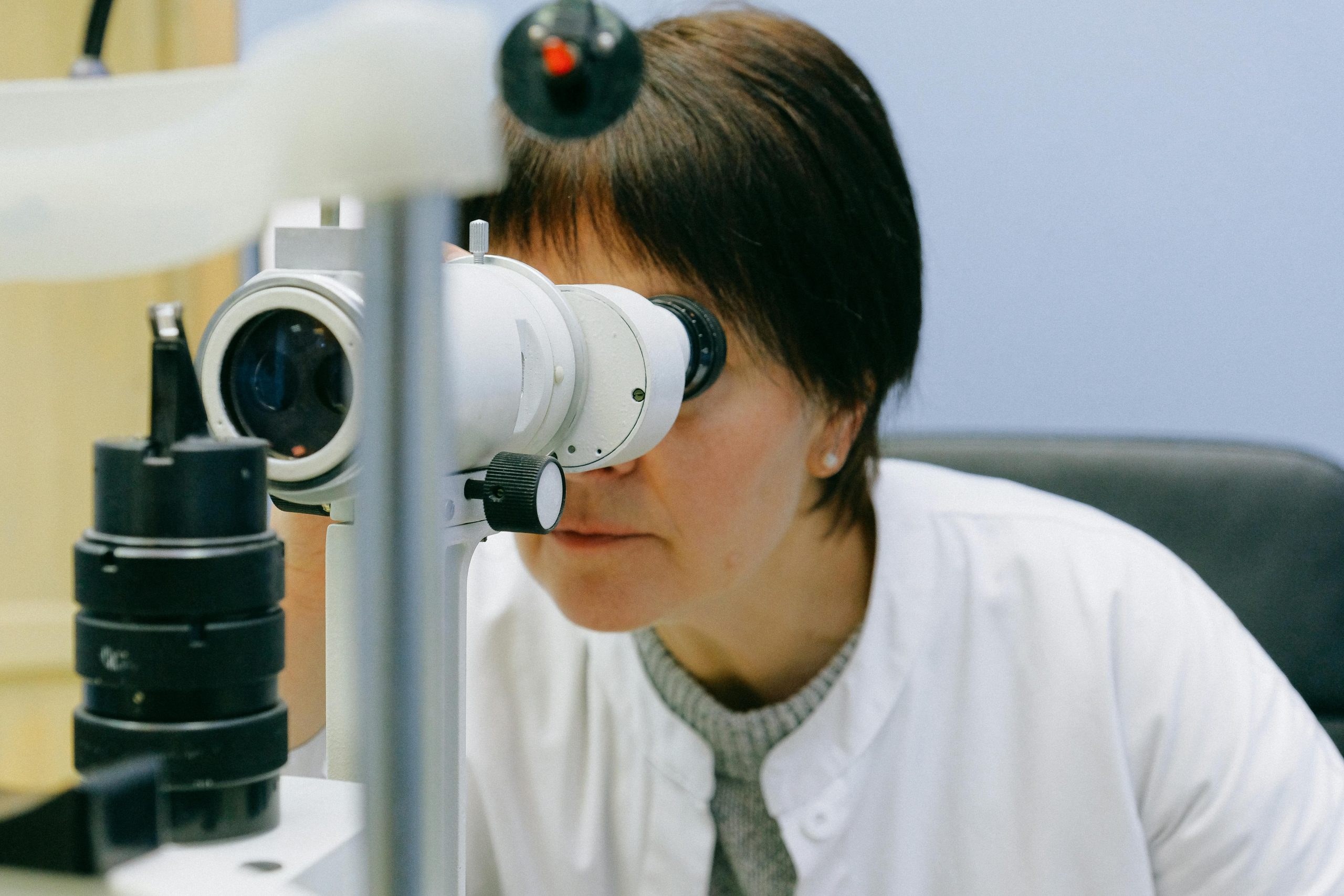
I read an article recently relating to peer observation in practice. This is something that we rarely do in practice these days, however, it can be hugely beneficial for both the observer and the observed. In many professions, peer observation is the norm and is often a requirement of registration to carry out such a simple (though useful) task.
It must be 10 years since I had a formal peer observation carried out on my clinical work. I recall two distinctly different experiences. The first was by a regional manager who had clearly been told to observe as many clinicians as possible. Sadly, nothing was achieved, except to ‘get my back up’. The next experience was altogether very different.
A governance optometrist mentioned they were thinking of introducing peer observation and would myself and a colleague be interested in trying it out. After my last experience, I reluctantly agreed (the promise of dinner afterwards to discuss our findings was a rather large carrot). We were told to have a very open mind with regards to the process and that is indeed how we tackled the afternoon.
I really enjoyed observing my optometrist colleagues and took copious notes from the observation. Some aspects were fantastic and I pledged to adopt them into my routine going forward. Other aspects were not so great and I thought: ‘This is going to be fun when I tell my colleagues’. So, we assembled around the table armed with our notes – all set for an evening of reflection and learning. What could possibly go wrong? What followed was a fantastic and fun-filled experience.
Firstly, we tackled the evening in the correct manner where the Chatham House Rule applied to all the discussions. We learned a great deal about ourselves, and there were many ‘Do I really do that?’ moments, which I must confess made me cringe. There was also the added bonus of being able to ‘steal’ one another’s good ideas to incorporate into our own routines. This was peer observation at its best – and shows that when approached in the correct way, the process can be beneficial to all.
Other forms of reflection
Of course, one of the things we regularly do in a less formal manner is to discuss our interesting patients over lunch. This more relaxed method of peer review is something we all do and, indeed, perhaps the one we learn the most from. If you choose to do so, this could be written up as self-directed CPD and one point could be claimed for your CPD total.
Other forms of reflection include keeping a diary or log book of the patients we see. Indeed, many newly qualified dispensing opticians (DOs) and optometrists do this for their own development – though it often tails off as we become more confident and perhaps more complacent.
For me, a really interesting form of reflection is simply to reflect on oneself at the end of the day. How did I interact with my family today? Was I as helpful and courteous with patients and colleagues at work? Did I treat the people I interacted with on the train and in the shops well today? Of course, this only works if we are brutally honest with ourselves. We can award a mark out of 10 for each and, if honest, I would doubt we rarely achieve a 10. So, what will we do about it? An honest pledge to do better the next day is a good place to start.
Changes afoot
After a busy start to the year in Scotland, with a few CPD events in the first few months, our CPD events have quietened down. As reported in the last issue, and on DO Online, a new Protecting Vulnerable Groups (PVG) system came into force in April, which has caused some confusion among practices and DOs. PVG will be required for those in regulated roles with children and protected adults. This includes both DOs and optometrists.
There is a new enhanced supplementary test coming into play later in 2025. This will see that independent prescribing (IP) optometrists are more appropriately rewarded for seeing red eye patients. There are 10 complex acute anterior eye conditions that optometrists agree to treat. It is hoped this will further encourage optometrists to complete the IP training – if appropriately rewarded for their time.
Graeme Stevenson FBDO (Hons) CL is ABDO regional lead for Scotland. He works in practice, is a lecturer at Glasgow Caledonian University, and a member of the General Optical Council’s Education Visitor Panel.