Charity makes sight loss warning
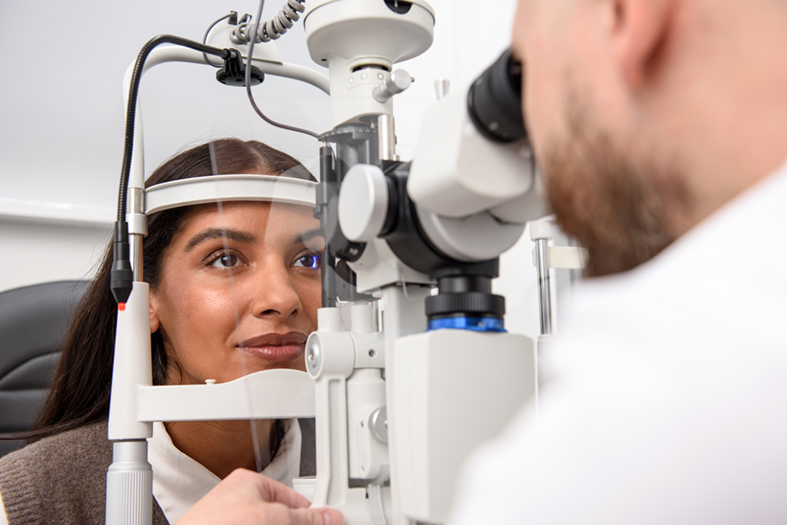
Future forecasting predicts a 24 per cent rise in the number of people suffering late stage AMD
The charity behind National Eye Health Week, which commences today, has warned that the UK’s eye health has “hit a crisis point with more than 1.6 million new cases of sight-threatening eye disease forecast over the next decade – the equivalent of one new case every three minutes”1.
The analysis – carried out by Eye Health UK2 for National Eye Health Week 2025 (22-28 September) – uses data modelled by York Health Economics Consortium3 to predict future cases of the four most common causes of sight loss: cataract, glaucoma, later-stage age-related macular degeneration (AMD) and diabetic eye disease.
Future forecasting predicts a 24 per cent rise in the number of people suffering late stage AMD – the UK’s leading cause of blindness – and a 13 per cent surge in cases of glaucoma.
David Cartwright, chair of Eye Health UK, warned: “Urgent steps to tackle poor eye health, including greater uptake of sight tests and prevention strategies, are needed to avoid people suffering unnecessary and irrecoverable vision impairment. The good news though is half of all sight loss could be prevented with lifestyle changes, early detection, and timely treatment.”
According to the charity, four in 10 people in the UK fail to have their sight tested every two years, as recommended4; with many people, particularly those living in socio-economic deprivation, rationing sight test attendance due to concerns about the cost of spectacles, or delaying check-ups until symptoms cause concern5. This behaviour, says Eye Health UK, prevents early detection of eye disease and timely referral for sight-saving treatment.
Despite more than 30 million people being entitled to free NHS sight tests6, and NHS optical vouchers being available to help with the cost of eyewear for those on low incomes, children and for people with complex prescriptions, a lack of awareness of these benefits perpetuates barriers to people attending routine eye checks and increases the risk of avoidable sight loss – says the charity.
It added that more than half (55 per cent) of people on low incomes said they were unaware of their entitlement to free NHS sight tests, while four in 10 knew about NHS help towards the cost of prescription eyewear7.
Responding to the research, David added: “Educating people about their entitlement to help with eyecare costs is vital to improve uptake of routine sight tests and mitigate the rising prevalence of sight-threatening eye disease, that’s being driven by an ageing and unhealthy population.”
The charity stated that the lifetime cost of a new case of AMD in an adult aged 50 or over, causing at least moderate visual impairment, was £73,3508 – adding that referral for medical treatment and adopting healthy lifestyle habits could halt or slow the progression of AMD.
To help people assess their chances of suffering future eye disease, and to understand how they can reduce the risks, the charity has created an eye health calculator, which can be found on the Vision Matters website.
References (provided by Eye Health UK)
1. Cases of cataract, glaucoma, diabetic retinopathy, diabetic maculopathy, age-related macular degeneration (late/neovascular) forecast to increase by 1,611,628 by 2035.
2. Eye Health UK is a registered charity (no 1086146) responsible for running National Eye Health Week.
3. York Health Economics Consortium created the eye health data hub on behalf of optical associations including the College of Optometrists, ABDO, the British & Irish Orthoptic Society, the Department of Health Northern Ireland, FODO (the Association for Eyecare Providers) and the Royal College of Ophthalmologists.
4. Fieldwork conducted by OnePoll between 6-10 September on behalf of Eye Health UK. Nationally representative sample of 2,000 UK adults.
5. Journal of Public Health 36(4):667-673
6. Including those on low incomes, over 60s, under 16s, people with certain eye conditions, e.g: glaucoma (and their close relatives) as well as everyone living in Scotland.
7. EHUK (n,1).
8. Fight for Sight, Time to Focus Report, 2020.