Eye Health Care Charity of the Month
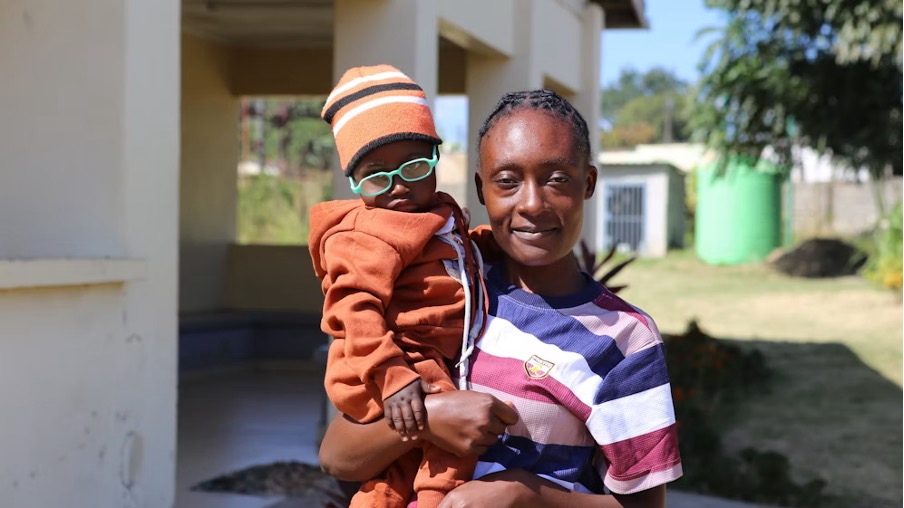
Godfrey with his mother, Mufulira
“When I told my husband our son needed glasses, he was hesitant…but eventually he agreed. I’m so grateful to Orbis for giving our son the chance to grow up with good vision…watching my son walk and play freely fills us with joy,” says Mufulira from Zambia, Godfrey’s mother.
Before receiving a pair of glasses, Godfrey was missing his development targets and couldn’t stand or crawl.
Globally, 1.1 billion people are living with vision loss, yet a staggering 90 per cent is avoidable. Most cases occur in low and middle-income countries, where access to eyecare, including a simple pair of glasses, is often limited, leaving children struggling in school, parents unable to work, and entire communities trapped in a cycle of poverty.
Creation of Orbis
During the 1970s, a group of residents of Greenwich, Connecticut, USA, began meeting to discuss what was contributing to this widespread blindness: a lack of ophthalmic care.
Together, they conceived of an innovative solution: a hospital onboard a plane that could travel to underserved communities, training healthcare teams and treating patients who might otherwise not receive treatment.
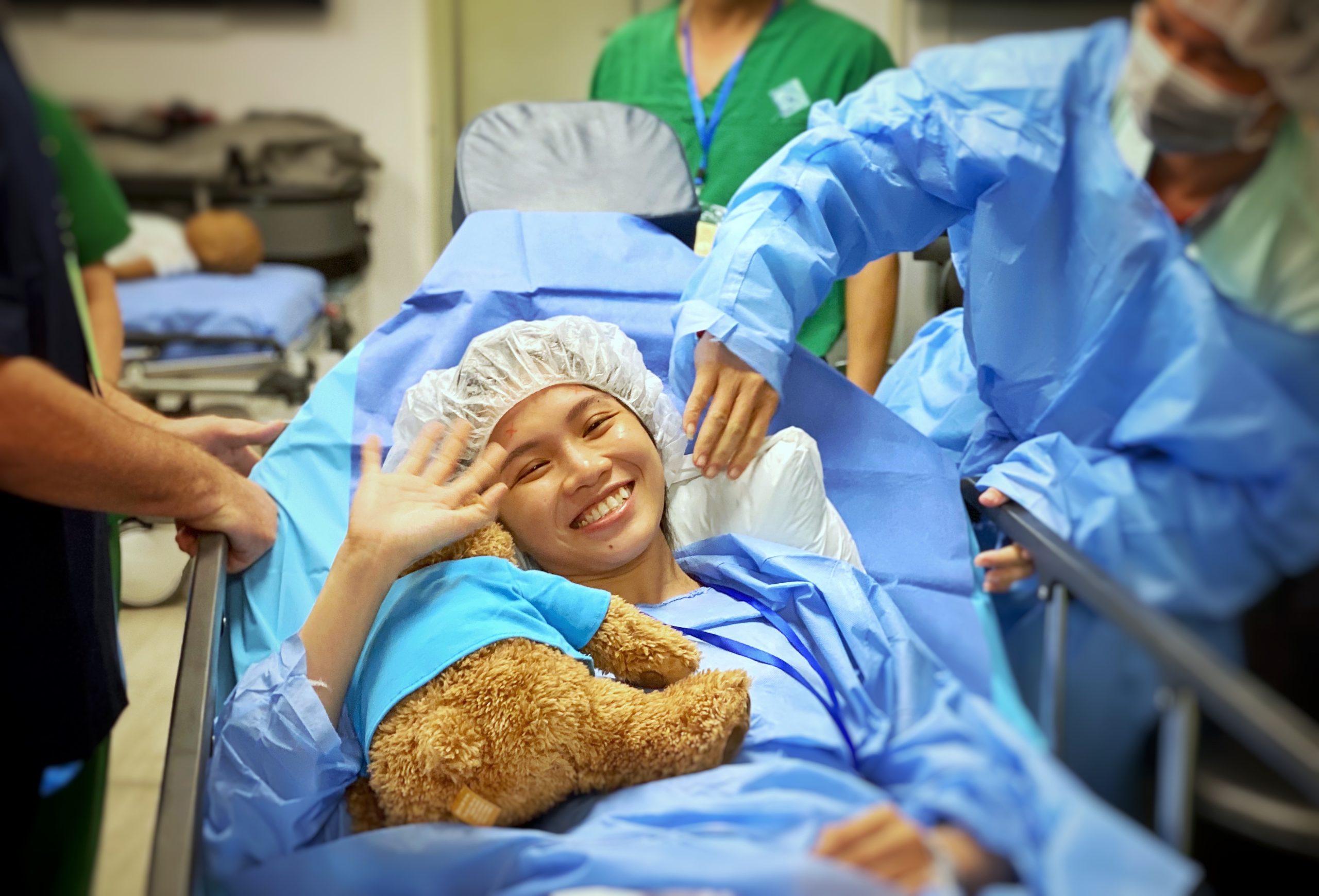
Thanh, 26, a patient on the Flying Eye Hospital in Zambia 2023
So the Orbis Flying Eye Hospital was born, complete with classroom, operating room and recovery room. Here Orbis’s medical volunteers shared their skills and treated people with vision loss.
Over the past 40 years, this now fully accredited hospital, has delivered training in more than 100 countries.
Evolving to long-term programmes
One of the most pressing challenges in global eyecare is the shortage of trained professionals. As Orbis grew, the organisation developed hospital-based and primary eye health training programmes.
Now working across Africa, Asia, Latin America,and the Caribbean, the charity provides training for the entire eyecare team: from ophthalmologists, anaesthetists and nurses, to optometrists and community healthcare workers.
In India, there are just 25,000 ophthalmologists to serve 1.42 billion people. And with most eyecare professionals practicing in towns and cities, the largely rural population is often unable to access treatment. Passing on skills and knowledge is therefore vital to overcoming this crisis.
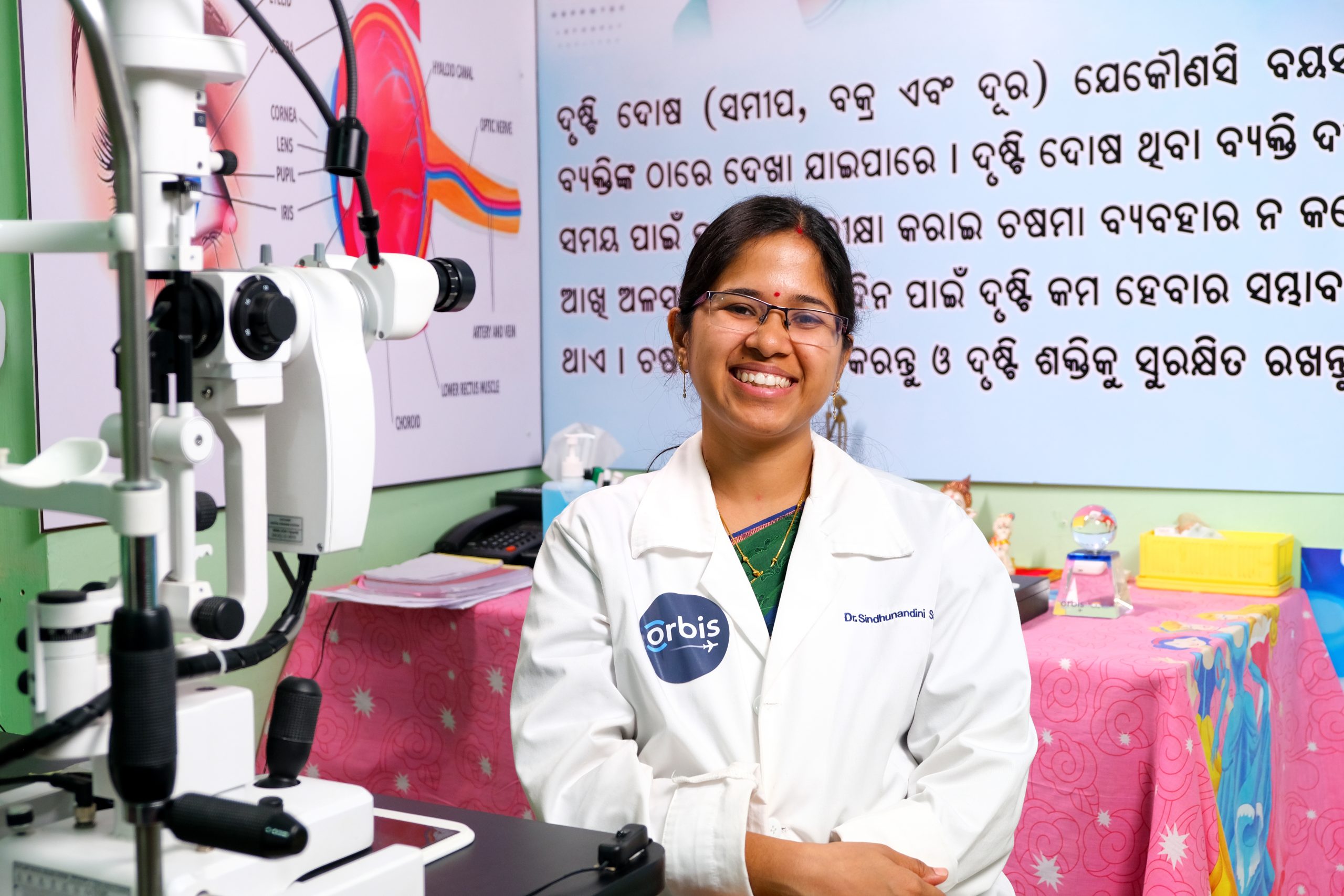
Dr Sindhu, chief medical officer at Trilochan Netralaya in Odisha, India
Dr Sindhu, now the chief medical officer at Trilochan Netralaya in Odisha, India, received a paediatric training fellowship through Orbis.
“Before my training, there were no paediatric services, and only 10 to 12 paediatric surgeries were done per year, says Dr Sindhu.
“After returning as a paediatric ophthalmologist, I performed 72 procedures in just six months. Now, children with bilateral blind cataracts are coming from all over western Odisha, referred by other ophthalmologists, and receiving prompt treatment.
“We operate immediately, provide spectacles, and help them see – changing their lives for the better.”
Tackling barriers to eyecare
Orbis’s women-led Green Vision Centres are revolutionising eyecare in rural Bangladesh.
These centres remove barriers that prevent women from accessing treatment – whether it’s travel, financial constraints, or the preference for female healthcare professionals. They also champion women’s leadership and run on sustainable green power.
Serving primarily low-income, rural patients, these centres provide essential eyecare where it’s needed most.
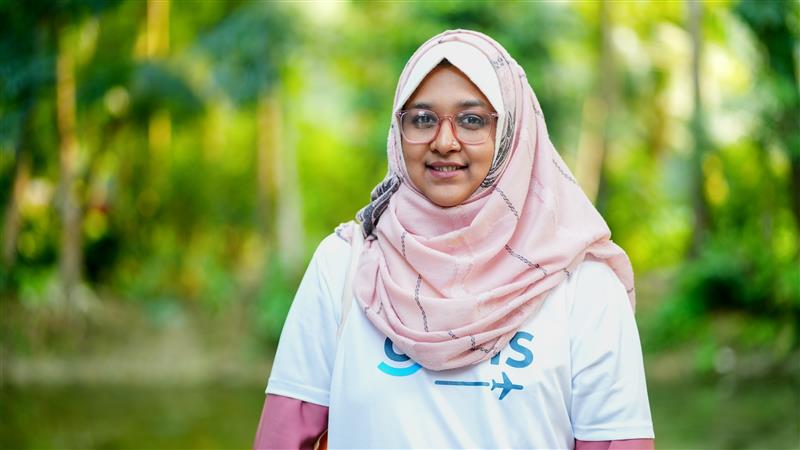
Tasmia, 26, leads a Green Vision Centre in Haimchar, Bangladesh
Last year, they screened nearly 26,000 people, with over half of the patients being women and girls. This is crucial, as women make up 55 per cent of the world’s visually impaired population, and two-thirds of blind children are girls.
By addressing gender-related barriers, these vision centres are improving healthcare access for entire communities.
Twenty-six-year-old Tasmia, a mid-level ophthalmic personnel who received Orbis training, leads the Haimchar Vision Centre in Chandpur.
She says: “After their children go through the surgery and see the world for the first time, the parents are often brought to tears and say it is because they visited this vision centre.
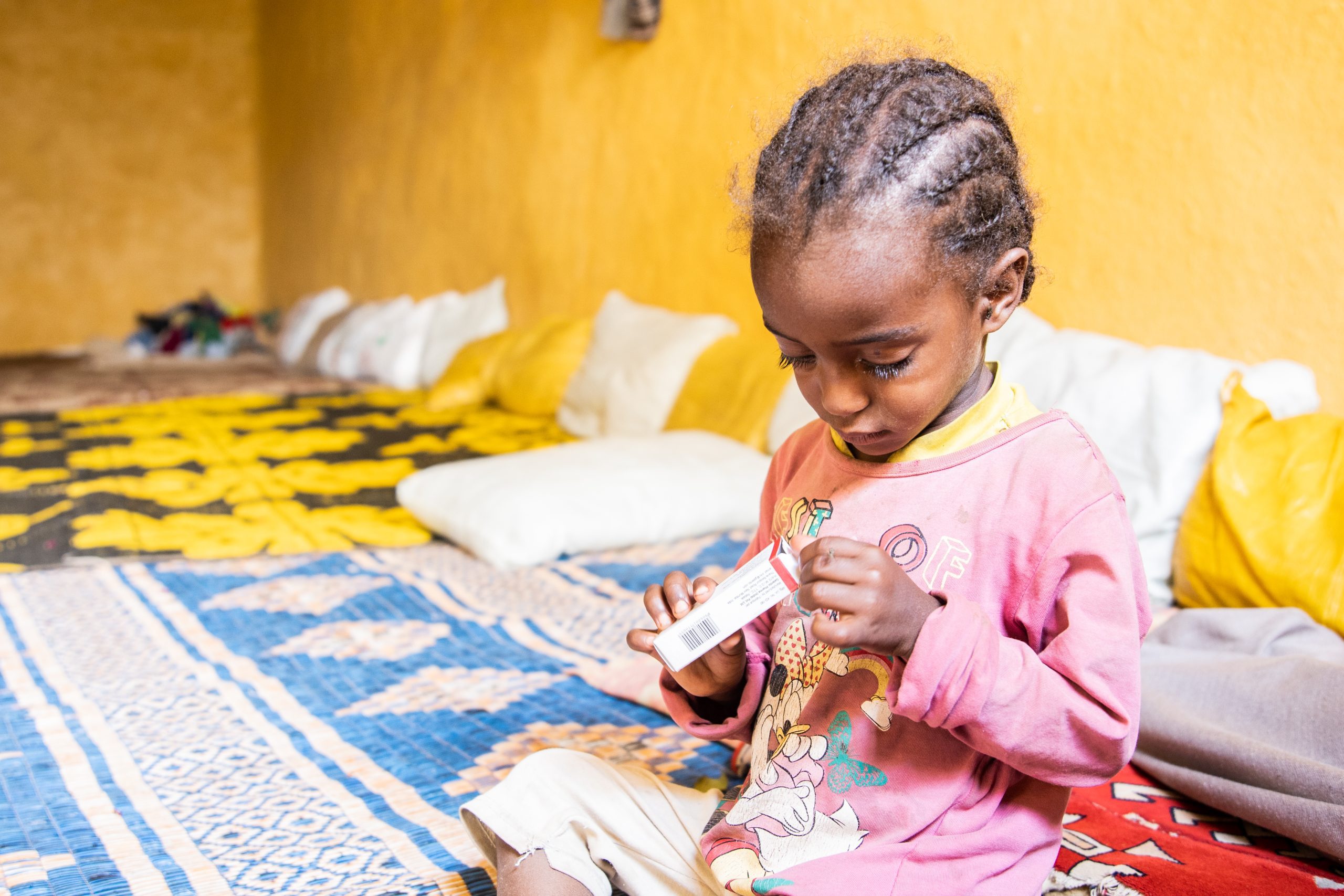
Three-year-old Neima inspects her antibiotics In Ethiopia 2023
“Seeing them becoming so emotional and happy makes all the hard work I put in feel like it was the best thing I have ever done.
“The thought of me being able to help another person see this beautiful world makes me extremely emotional and motivated to keep on helping people.”
Trachoma elimination
Since 1998, Orbis has been working with its partners in Ethiopia to eliminate the infectious eye disease, trachoma. Spread by bacteria, trachoma can lead to irreversible blindness if left untreated.
Some 61 million people are at risk in Ethiopia, with women and children most affected.
Asma’s children Neima and Sitra were both found to have trachoma: “When they have trachoma their eyes get redness, swell and water. They have had pain and are itching their eyes. They have had difficulties to see sunlight. They can’t look up. They only look down.”
Thanks to Orbis’s trained outreach health workers, both children were able to access sight-saving antibiotics: “I am delighted to get them the medicine they need. I apply it at night and in the morning after I have washed their faces. I have followed the instructions of the health officer. I am hopeful they will heal soon.”
In 2024, Orbis played a vital role in distributing 1.3 million doses of sight-saving antibiotics.
Supporting Orbis
Orbis’s life-changing work is only possible through the support of partners, volunteers and donors.
Learn more about how you can contribute.
Images courtesy of Geoff Oliver Bugbee, Orbis UK