Gene therapy restores girl’s sight
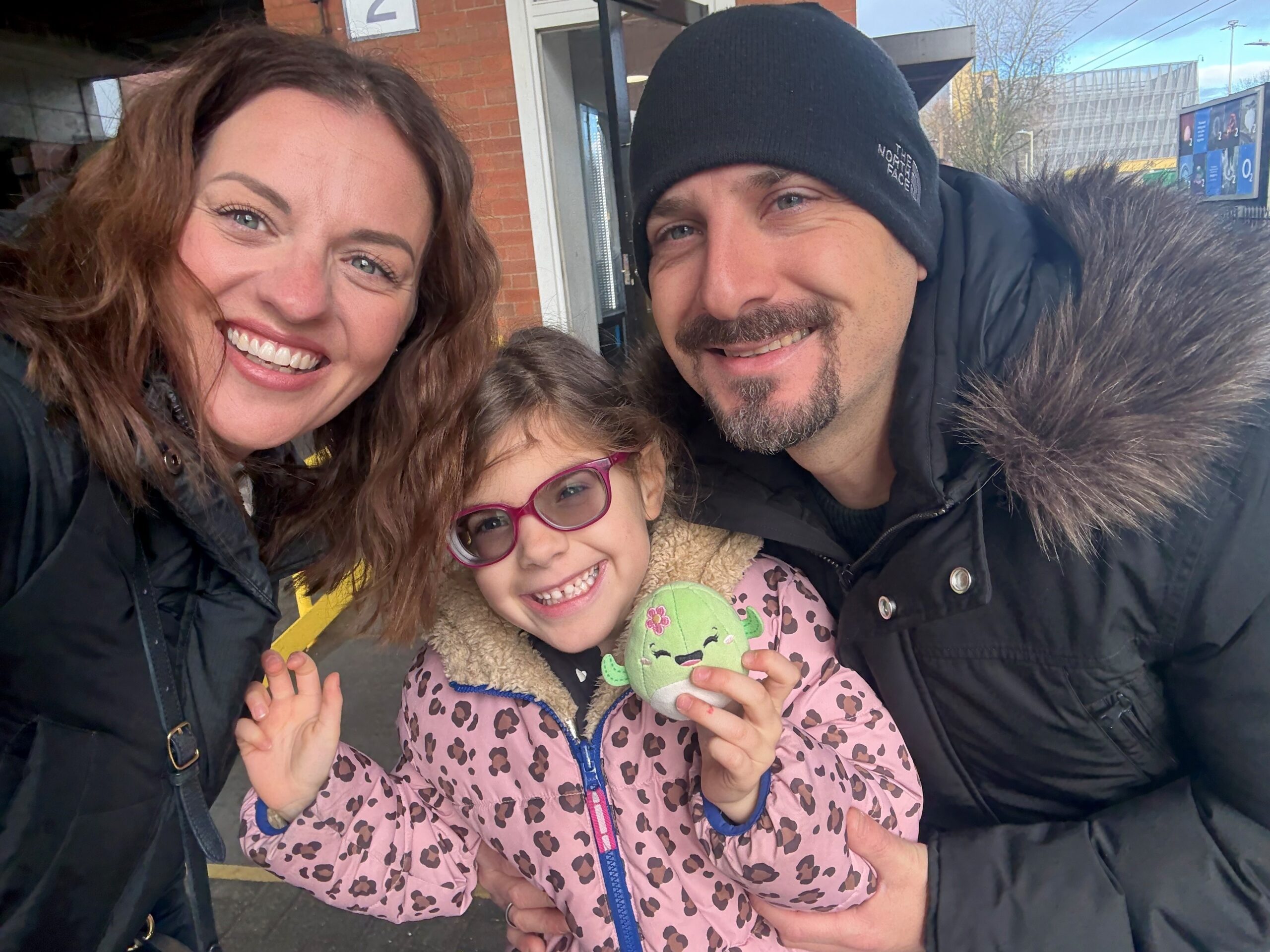
Saffie with her parents
A six year old girl has had her sight restored thanks to gene therapy for rare blindness at Great Ormond Street Hospital (GOSH).
Saffie Sandford has the rare condition Leber’s Congenital Amaurosis (LCA), a mutation in the RPE 65 gene that causes retinal dystrophy.
LCA prevents cells in the eye from making a specific protein that is essential for normal vision. Babies born with the condition have poor sight from infancy and many lose their vision completely in adulthood. Affected children have low vision in daylight and no vision in low light.
The gene therapy Luxturna (Voretigene Neparvovec) is the first of its kind for one of the genetic causes of LCA. A healthy copy of the gene is directly injected into the eye.
Researchers at GOSH and University College London (UCL) have published a study showing that treating younger children with Luxturna can improve sight and strengthen visual pathways at a critical stage of brain development.
Clinicians treated babies as young as 15 months old up to children aged 12 – and the results have been published in JAMA Ophthalmology.
The study showed that gene therapy can improve visual pathway function in young children with RPE65-related retinal disease.
The research team used pattern visual evoked potentials (VEPs) – a painless, non‑invasive electrophysiology test that measures how well signals travel from the retina to the visual cortex, as traditional vision tests can be difficult for very young children or people with neurodevelopmental conditions,
Seven out of 10 children who completed pattern VEP testing showed clinically meaningful improvements after treatment, including stronger visual signal responses and faster processing times.
Many parents reported their child’s ability to see or navigate in low‑light conditions was improved.
Rob Henderson, consultant ophthalmologist at GOSH, said: “For the first time, we’ve been able to show objectively that gene therapy can strengthen the visual pathways in babies and young children who are living with this rare eye condition. For many of the families we work with, even small improvements in their child’s ability to see the world around them make a profound difference.”
Luxturna was the first approved eye gene therapy available on the NHS.