New VI support pathway for children
Ensuring consistent, high quality care across the nation
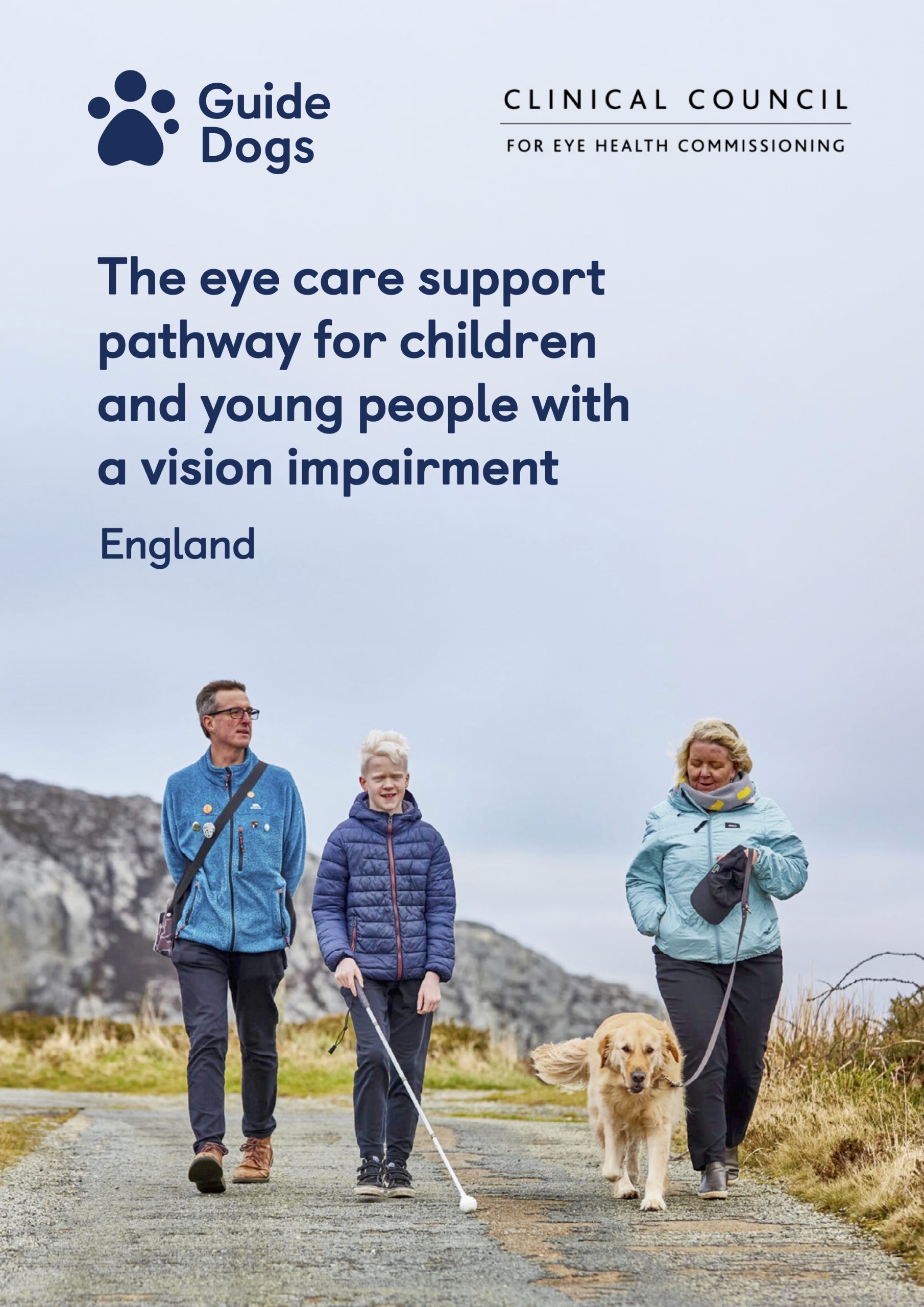
A new eyecare support pathway to help children and young people with a vision impairment get the support they need, has been launched by partners from across the sight loss sector.
The pathway sets out the care and services children and their families are entitled to in England – from initial appointments and diagnosis, to living well with a vision impairment.
“Parents face a huge wave of new information, technical terms and appointments as they go through the process of their child’s diagnosis and seeking support,” stated Guide Dogs, the charity closely involved in creating the pathway. “This can be incredibly overwhelming. The new pathway will be a vital roadmap, helping them navigate their journey.”
The need for the resource came out of Guide Dogs’ 2021 Commission, which looked at how to transform services for young people. This highlighted the confusion families face trying to access support and the “patchwork of inconsistent services depending on where you live”.
Research found that in 2020, one local authority provided specialised support to just three per cent of children and young people with a vision impairment in their area, while another provided this service to 47 per cent of children.
The pathway has been created with more than 20 organisations from across the sight loss sector to help address this inconsistency of care – including ABDO. It provides both families, professionals that support them and commissioners, with an overview of what good practice care looks like, supporting the provision of integrated care.
Eleanor Briggs, head of policy, public affairs and campaigns at Guide Dogs, said: “Currently there’s a postcode lottery determining how well a child with a vision impairment is supported from diagnosis onwards. And we know families are confused about what services are available, and who to turn to for help. It’s essential that young people can access the support they need, when they need it. We are proud to have worked with partners across the sector to develop this pathway with families, for families, and hope it transforms care for the next generation of children in England.”
For families, the pathway acts as a practical guide, outlining available care and support at every step from diagnosis. The aim is to empower parents with the knowledge and confidence to advocate for the help they need.
Rachel Bone is a mum of three who has had varying support for each of her three children with a vision impairment. She found the early days, after an initial diagnosis for her eldest child, “very overwhelming with little support”.
She said: “I had to research everything myself and I felt so lost. Having a central information point to go to straight away as soon as there are concerns would have eased the worries and sleepless nights. Knowing who to turn to, when and where to get the best advice from would have been great. It’s got easier with each child, but that’s because I’ve learnt from my experience. I can remember it being very hard.”
The pathway also brings together a clear set of standards for healthcare practitioners, education and social care professionals and commissioners, with the aim of ensuring that “consistent, high quality care can be delivered regardless of where a family is based”.
Wojciech Karwatowski, chair of the Clinical Council for Eye Health Commissioning, said: “The pathway will provide an essential benchmark for all those involved in the commissioning and delivery of services for children and young people. From first identifying a possible eye condition, right through to living well with vision impairment, it sets out what families should come to expect and helps practitioners ensure they meet children and young people’s individual needs. Taken together with the adult eyecare support pathway, we now have a comprehensive framework of support for families and individuals, vital tools to help us improve outcomes for all.”
Read the new Eye Care Support Pathway for Children and Young People in England.