Over-50s hearing and sight loss study
Call for study to be extended across the UK
The findings of a national eye and hearing exams study were discussed by sector stakeholders at an event in London last week.
The pilot UK National Eye Health and Hearing Study (UKNEHS) found that a quarter of study respondents aged 50 and over had vision impairment in at least one eye; 76 per cent had hearing loss, and 81 per cent of participants had never undergone a hearing test.
It also found that 36 per cent of respondents had undiagnosed glaucoma, and 50 per cent of those with diabetic retinopathy were also unaware of their diagnosis.
The study, which took place earlier this year, first tested vision and hearing loss among residents of care homes. In the second phase, people over the age of 50 in randomly selected postcodes across Cambridgeshire and Peterborough were invited to be tested.
The response rate was more than 65 per cent, which researchers said demonstrated “strong public engagement and the feasibility of using mobile diagnostics and digital tools in community settings”.
At the event in London on 10 October, sensory loss charities, policy makers and researchers, called for the study to be extended across the UK – and for full support and funding from all four UK governments.
Rupert Bourne, professor of ophthalmology at Anglia Ruskin University and principal investigator of the study, said: “These figures are deeply concerning. They show that sensory health is being overlooked, even among high-risk groups. We are missing critical opportunities to prevent avoidable sight and hearing loss.”
Sensory loss is estimated to cost the UK £58bn annually, Professor Bourne stated, through lost productivity, increased care needs and mental health consequences. However, the UK does not have up-to-date, population level data on vision and hearing health, falling behind nations including Nepal, Trinidad and Bangladesh.
Professor Bourne added: “This lack of data means we are unable to measure the true scale of unmet need or evaluate the effectiveness of existing services. This is not just a data gap – it is a public health infrastructure gap. The UK National Eye Health and Hearing Study aims to provide the baseline data needed to shape more effective, targeted, and equitable health and social care services.”
Michael Bowen, director of knowledge and research at the College of Optometrists, said: “The study’s findings highlight how many people are not attending for regular eye tests, where these eye conditions would be picked up, even though the over 60s are eligible for free NHS eye tests across the UK.
“The eye health sector and our national health services need robust, population-level data in order to make effective and targeted plans for eye health provision in the future, to plan for the workforce we will need to provide care and prevention services, and to bring an end to avoidable sight loss.”
Jameel Muzaffar, ENT Consultant at University Hospitals Birmingham NHS Foundation Trust, said: “As we know from the study, lots of people have problems with hearing that they’re just not aware of. We know that untreated hearing loss, particularly in mid-life, is one of the biggest potentially modifiable risk factors for dementia.
“Loss of hearing separates people from people, it leads to social withdrawal, isolation, depression and, in the working age population, is associated with unemployment or underemployment,” added Jameel.
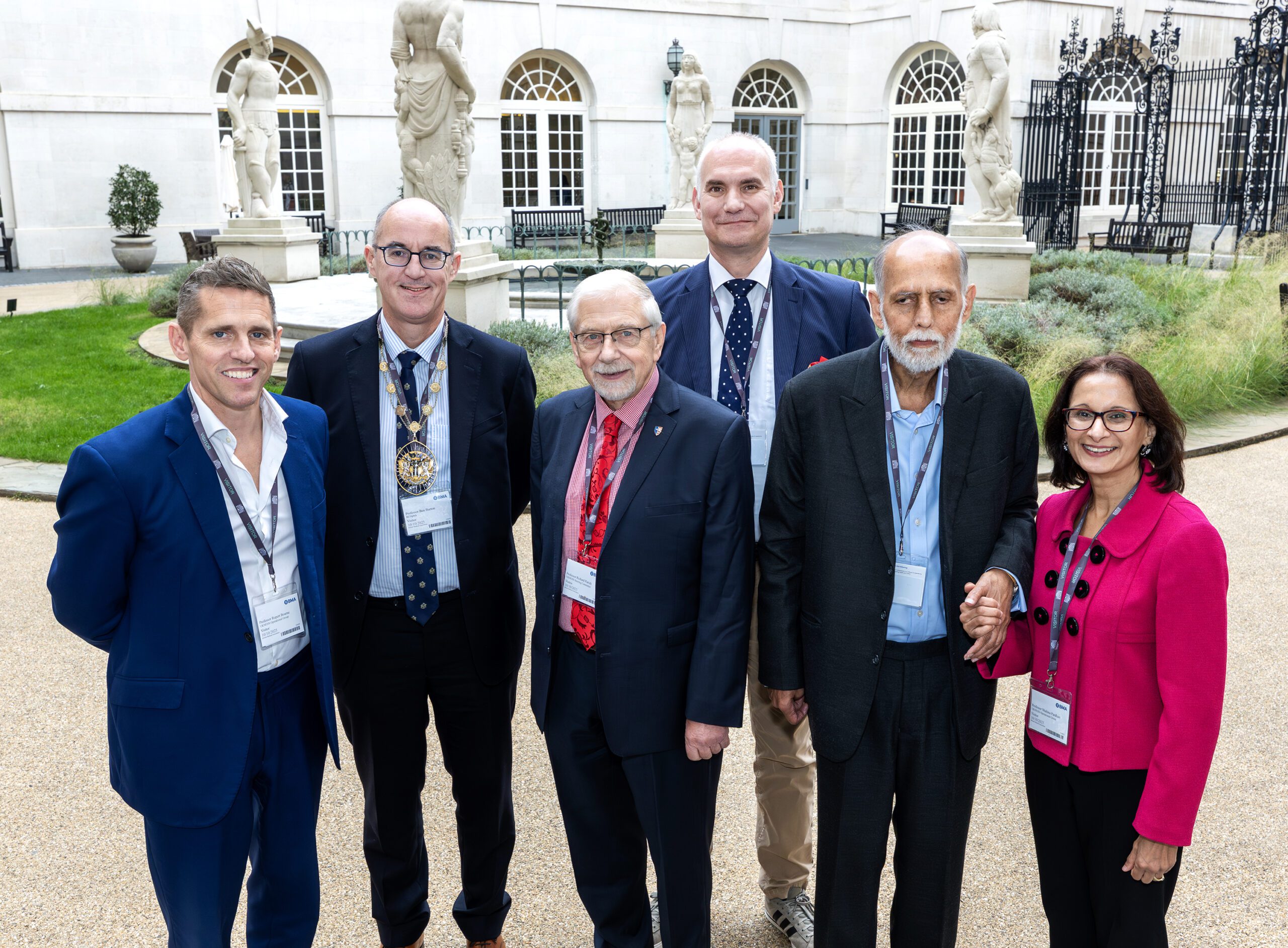
Pictured from left are: Professor Bourne; Professor Ben Burton, president of the Royal College of Ophthalmologists; Professor Richard Parish, professor of public health and health development; Mike Bowen, director of knowledge and research at the College of Optometrists; Raj Mehta of the UKNEHS steering committee; and Professor Shahina Pardhan OBE, director of the Vision and Eye Research Institute at Anglia Ruskin University.