RNIB predicts AMD/glaucoma rise
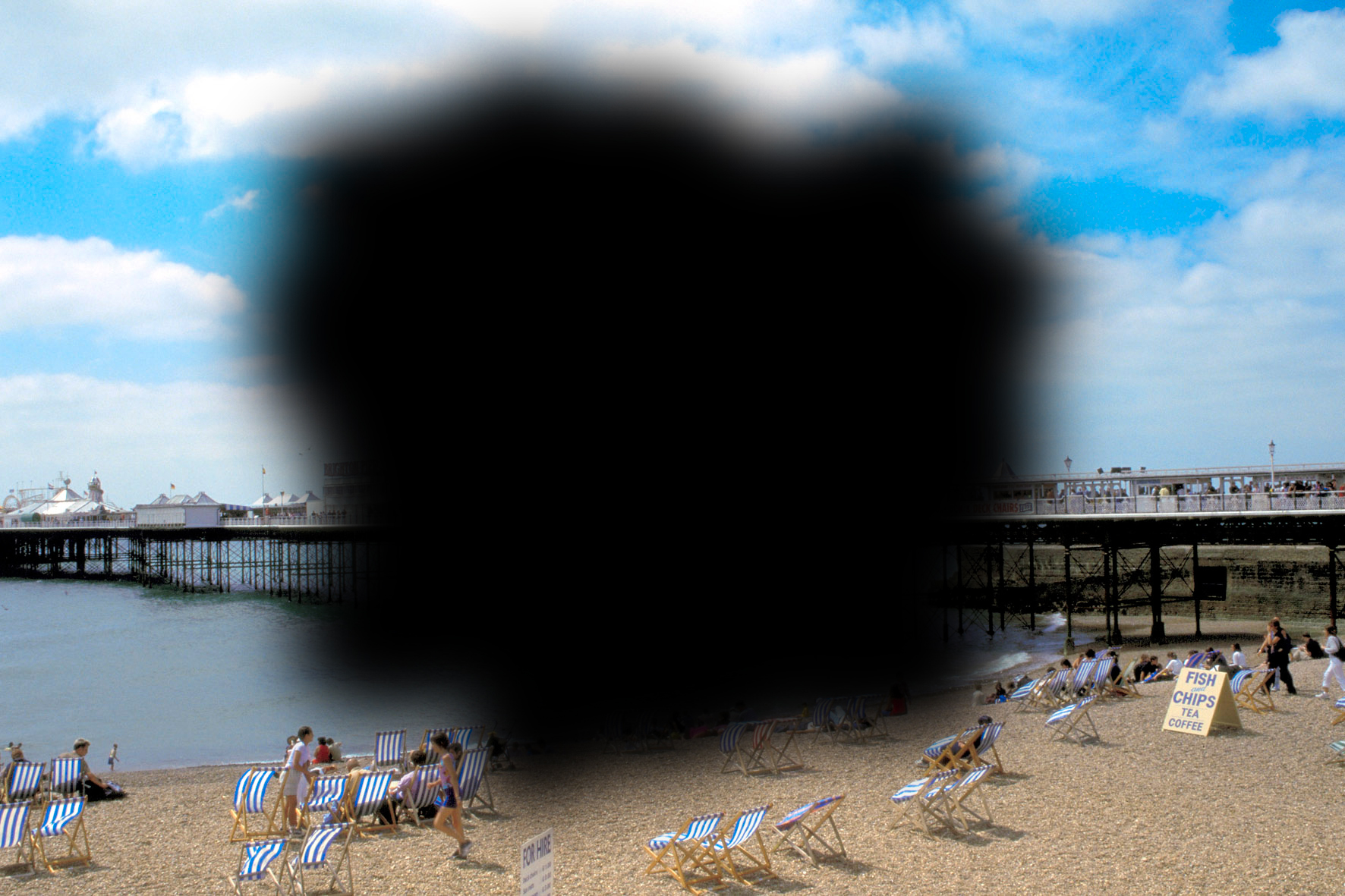
Age-related macular degeneration can affect central vision
The number of people living with the two most common sight conditions in England will rise by more than a quarter in the next 10 years, according to new data from the Royal National Institute of Blind People (RNIB).
Age-related macular degeneration (AMD) and glaucoma are the leading causes of sight loss in the country. There are currently over 603,000 people with AMD in England, according to the RNIB – whose sight loss data tool predicts that in the next decade this will increase by more than 28 per cent, to 774,000.
In 2026, there are over 930,000 people with glaucoma. By 2036, this is projected to increase by 16 per cent, to more than one million.
RNIB is calling on people to attend regular eye examinations and seek advice from an eyecare professional should they notice any changes to their vision.
Louise Gow, RNIB’s head of optometry, low vision and eye health, said: “In many cases, sight loss can be prevented by routine eye tests or if help is sought when changes in vision are investigated quickly.
“We recommend that everyone has an eye test at least every two years, and more frequently if you are advised to do so by your optometrist because you are in a higher risk group.”
RNIB’s sight loss data tool has been refreshed to make the platform more accessible for eyecare professionals.
The tool is the UK’s largest collection of eye health and sight loss data, with estimates for the number of people living with sight loss and specific sight conditions, health and social care activity, local area data and risk factors for increased risk of eye health problems.
John Slade, RNIB head of strategic research, said: “RNIB’s refreshed sight loss data tool will bring improved access to a whole range of data across all four devolved nations in the UK, providing detailed insight into the numbers of people living with sight loss, what eye conditions they’re living with and what risk factors for sight loss diagnosis may be present in an area.”