RNIB seeks views on post-diagnostic support
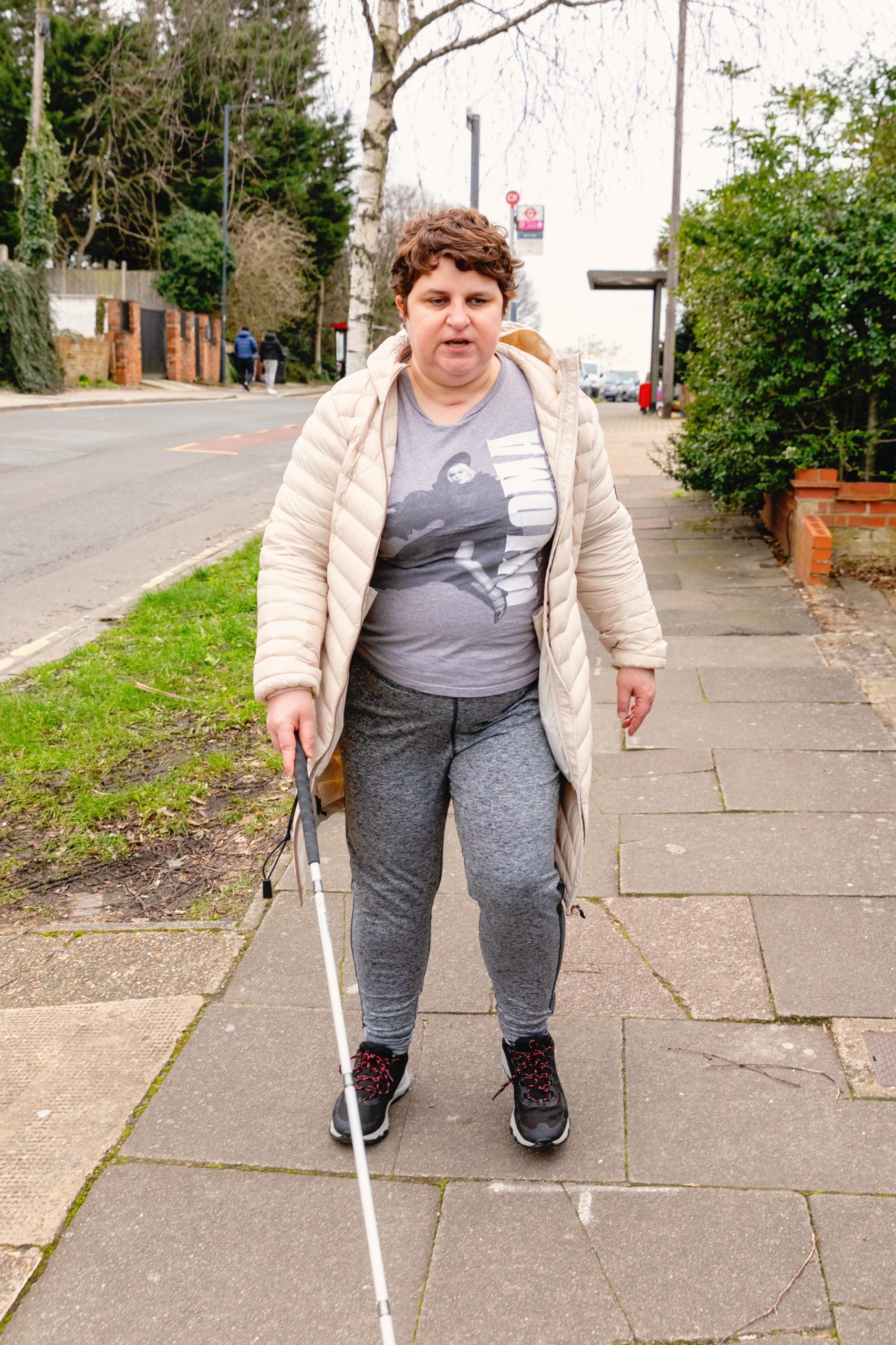
Charmaine Ashpole with her ‘magic wand’
The Royal National Institute of Blind People (RNIB) is reaching out to professionals and partners across the sight loss sector to gather new ideas about the way post diagnostic support could be more effective.
This could include ideas for new services to build practical skills, new ways to access tech expertise, and tools or offers of emotional support including peer-to-peer.
The research will also engage people with lived experience of sight loss and their friends and family.
Insight from the online survey will shape post diagnostic support, so that people diagnosed with sight conditions get the support they need at the time they need it most and in a way that works for them.
The charity is asking the following groups of people to take part:
• Those who work directly with people with sight loss in the post-diagnostic space
• Those who are stakeholders who are active or involved in post-diagnostic support or services
• Those who have experienced sight loss, especially those who have recently been given a sight loss diagnosis
• Those who are friends and family of the above group
Caroline Beard, RNIB head of strategic innovation, said: “Losing your sight can be a very traumatic experience; it can turn your world upside down and affect all aspects of your life. Unfortunately, the reality is that too many people are not getting the post diagnostic support they need when they need it most, with some people waiting up to a year for help. This is despite the fantastic work being done by many charities and under-resourced social services teams.
“Those responsible for providing vision rehabilitation are under huge pressure, as are local authority budgets. It’s time to look at how we can do things differently to help make the system work better for everyone.”
Charmaine’s story
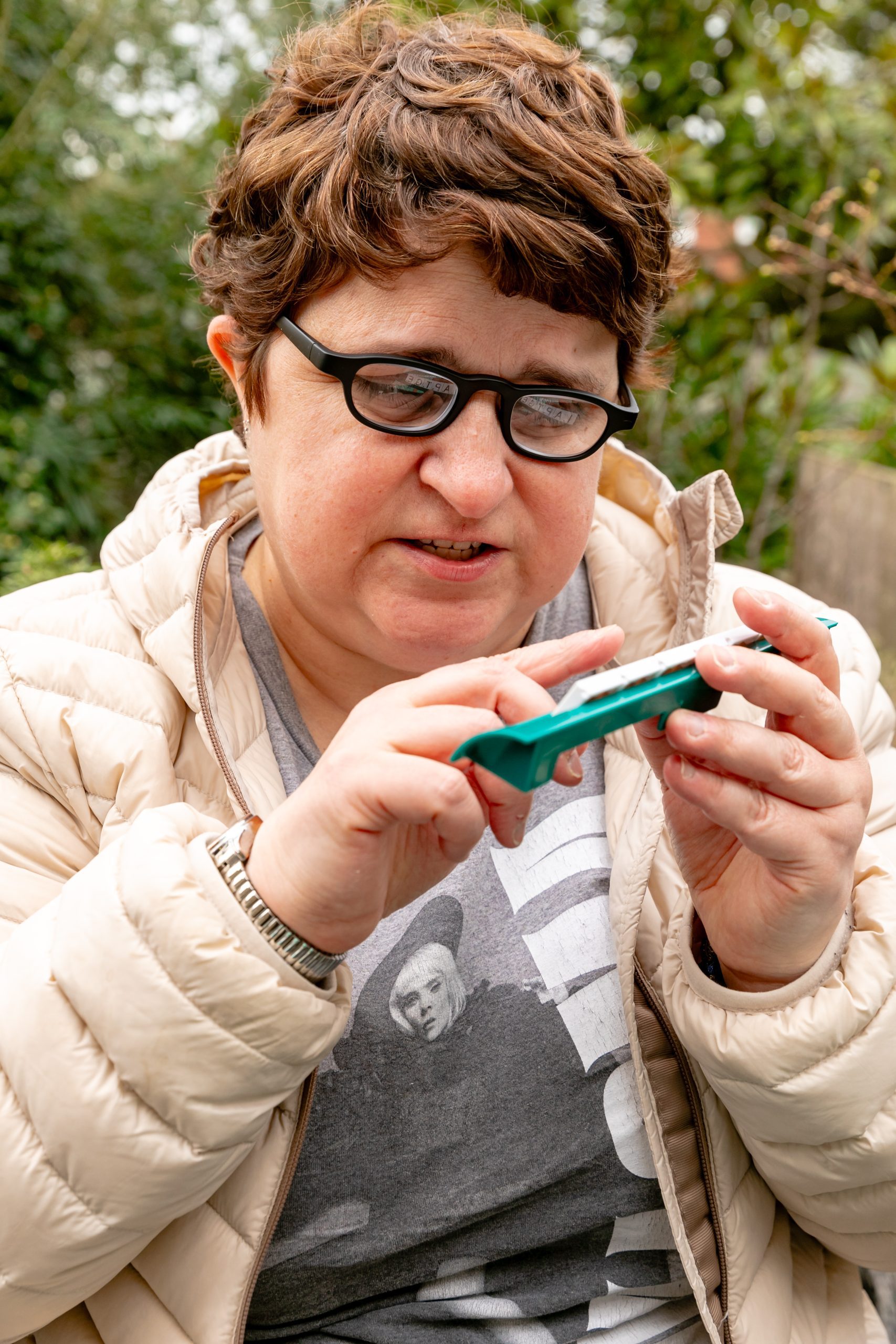
Charmaine says she has had to “fight for help”
Mother of two, Charmaine Ashpole from West London, lost most of her sight in 2018 following a serious illness. She experienced severe sight and hearing loss and was in hospital for four months.
She says: “The general hospital care was fantastic but there was nothing at all at that stage about the sight loss. My occupational therapist was great, but had no real understanding of the sight loss element so was trying to do things like get me into a kitchen to make a sandwich which was very difficult and was putting extra pressure on me. In the end, I almost felt stigmatised for having sight loss on the hospital ward.
“Then I came home from hospital – it was four days before my youngest daughter’s third birthday – and all I knew was that there was a really long wait for a vision rehabilitation specialist. I had to wait about five months for a home visit, but people need support much more quickly than that.
“When I attended an NHS eye clinic, I found the wait for appointments could be hours long and a few times I’ve had to leave without being seen to pick up my kids from school. Once I got support from the vision rehab specialist though it was fantastic. She’s brilliant in helping me to get out and about. I even go on the Tube now at quiet times.”
Living on a steep hill in an area with uneven street paving, Charmaine received help getting to grips with her white cane which she describes as her ‘magic wand’.
She said: “The white cane training was an absolute lifeline, and the rehabilitation officer was extremely good, it’s done me a massive service. But she is one person for the whole of Brent. There needs to be more of her – four or five of her perhaps. They [the councils/government] don’t want to pay for the expertise.
“I’ve had to fight and push for the help I’ve had. But I’m lucky, I have family and friends and lots of people around me. For people with sight loss who are on their own or economically not well off, it’s a terrible position to be in.
“Its so important people can get access to support they need in the way they need it in what is a very sighted world. People need to get help very quickly and at the moment it’s under-resourced and organisations need to collaborate together to improve the whole system. Community hubs are also a brilliant way of getting blind and partially sighted people supporting each other and can be fantastically empowering.
“If you have lived experience of sight loss or work in the sector, please take part in our survey so we can make sure future generations of people with sight loss have what they need to thrive.”
Take part in the survey – which will be open until 2 April 2025